Medically Reviewed by Dr. Liz Bales, VMD
Last Updated: january 2026
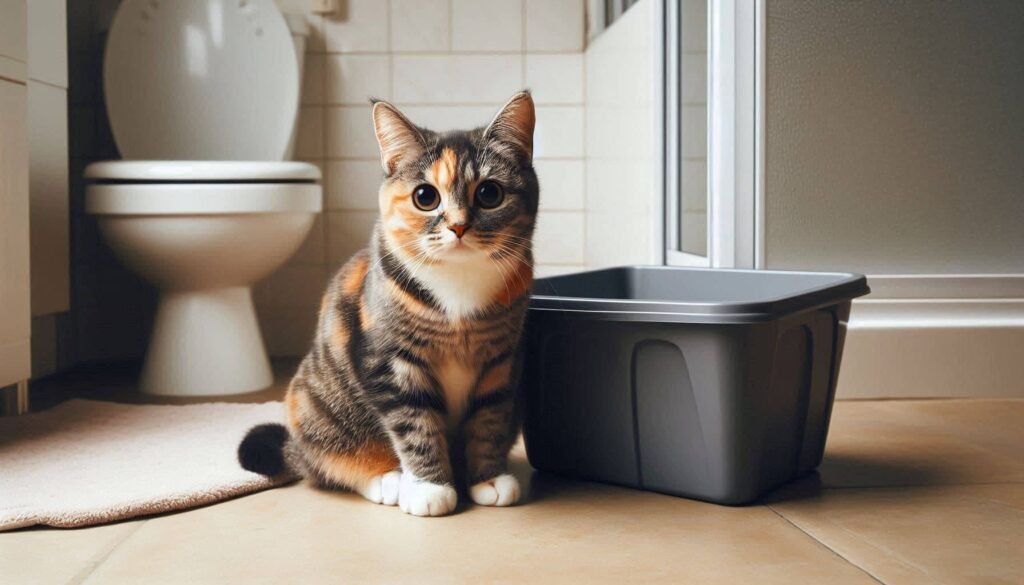
If you’re dealing with a cat peeing outside the litter box but pooping inside, you’re facing one of the most frustrating feline behaviors. This selective bathroom problem—where your cat uses the litter box for number two but pees everywhere else—isn’t just confusing, it’s downright maddening. But here’s the good news: when a cat is peeing outside the litter box but pooping inside, there’s almost always a fixable reason behind it.
In this vet-reviewed guide, we’ll explore why cat peeing outside the litter box but pooping inside happens, the most common causes, and exactly how to fix this problem for good.
Why Cat Peeing Outside Litter Box But Pooping Inside Is Different
Here’s the thing—when your cat is peeing outside the litter box but pooping inside, it’s telling you something specific. According to Dr. Liz Bales, VMD, this selective elimination pattern typically indicates a medical issue rather than a behavioral problem. Cats instinctively want to eliminate in their litter box, so when they make this distinction, it usually means that peeing has become painful or uncomfortable.
This litter box issue differs from general inappropriate elimination because your cat is still using the box for defecation, indicating they haven’t rejected the box entirely. Understanding this distinction is crucial for solving the problem
6 Main Causes
Cause 1: Urinary Tract Issues (Most Common)
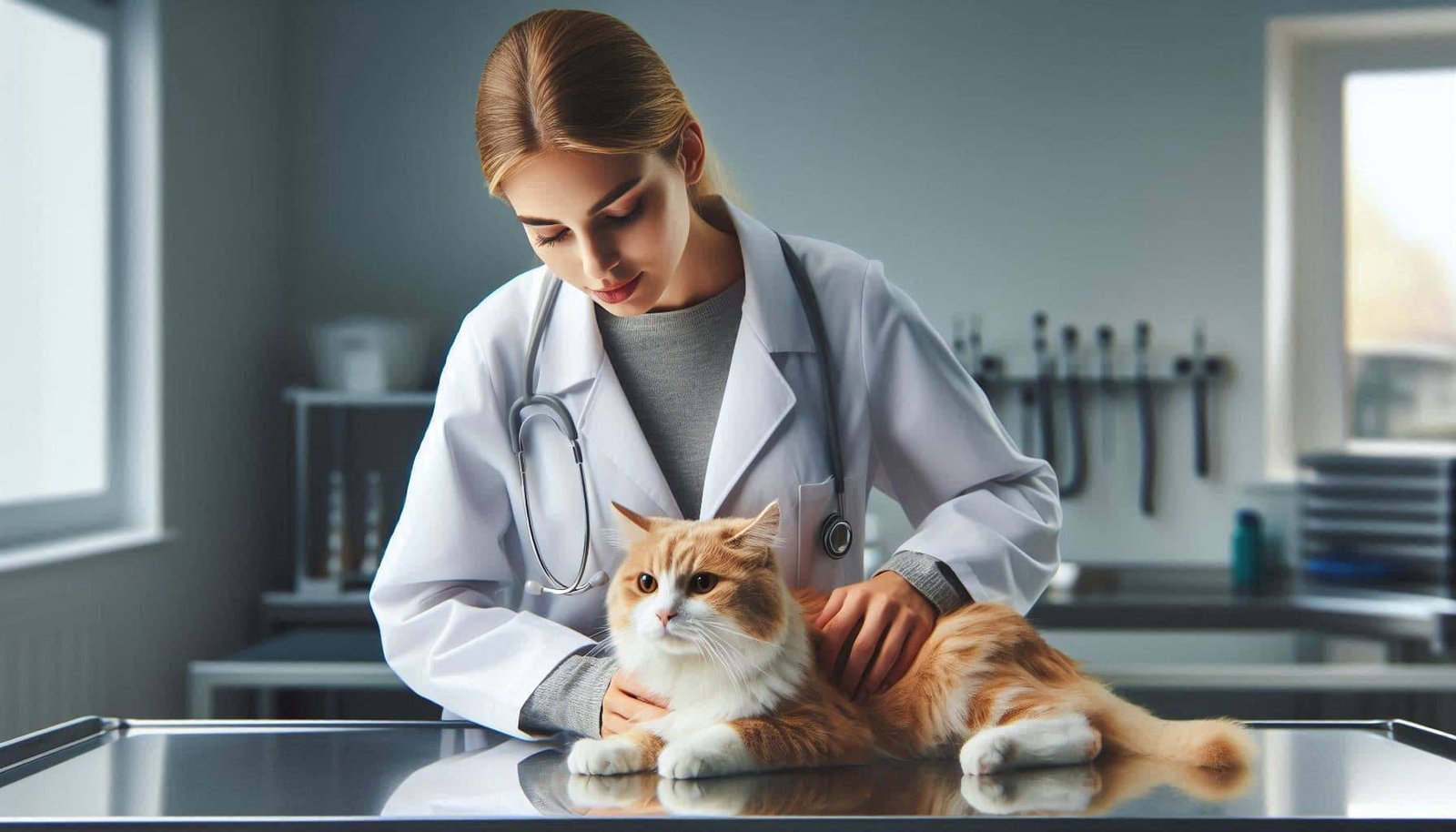
This is the #1 reason for a cat peeing outside the litter box but pooping inside the litter box. Feline Lower Urinary Tract Disease (FLUTD), urinary tract infections, bladder stones, and cystitis all cause painful urination. When cats associate the litter box with pain, they try peeing elsewhere, hoping it’ll hurt less.
Common urinary problems:
- Urinary tract infections (UTIs)
- Feline idiopathic cystitis (FIC)
- Bladder stones or crystals
- Urinary blockage (emergency!)
According to veterinary research, up to 3% of cats seen by vets have FLUTD, with stress being a major contributing factor. Similar to how cats show stress through other behaviors, inappropriate urination signals distress.
Cause 2: Stress and Anxiety
When asking why a cat pees outside the litter box but pooping inside, stress is a major culprit. Cats are incredibly sensitive to environmental changes, and stress-related urination problems are extremely common.
Common stressors causing inappropriate urination:
- New pets or family members
- Moving to a new home
- Construction or loud noises
- Changes in routine or schedule
- Conflict with other household cats
Stress affects urination more than defecation because the bladder is more sensitive to anxiety-related changes in the body.
Cause 3: Litter Box Aversion
Your cat might dislike something specific about the litter box that bothers them more when urinating (which takes longer) than defecating (which is quicker).
Common litter box problems:
- The box is too small or enclosed
- The litter type changed recently
- The box isn’t clean enough
- Location is too noisy or high-traffic
- Not enough boxes (rule: one per cat plus one)
Just like proper litter training from the start prevents issues, maintaining the right conditions keeps cats using their boxes.
Cause 4: Marking Behavior
Some cats, especially unneutered males, spray urine to mark territory. This cat litter box problem looks different from squatting and urinating—cats spray standing up with their tail quivering. However, even spayed/neutered cats can mark when stressed.
Cause 5: Arthritis or Mobility Issues
Senior cats with arthritis may find it painful to get into the litter box for the extended time required to urinate. They’ll still use it for quick defecation but pee on easier-to-access surfaces.
Cause 6: Cognitive Dysfunction in Senior Cats
Older cats experiencing cognitive decline may forget litter box training for urination while still remembering to defecate there. This cat urination problem is more common in cats over 10 years old.
When Cat Peeing Outside the Litter Box But Pooping Inside Requires Emergency Care
Seek immediate veterinary attention if you notice:
- Straining to urinate with little or no urine production (EMERGENCY!)
- Blood in urine
- Crying or vocalizing while trying to urinate
- Excessive licking of the genital area
- Lethargy, vomiting, or loss of appetite
Schedule a vet visit soon if:
- The cat peeing outside the litter box but pooping inside started suddenly
- You see more frequent urination attempts
- Accidents are increasing in frequency
- Your cat seems uncomfortable
According to veterinary research, urinary blockage in male cats is life-threatening and requires immediate treatment. Never wait for urinary symptoms.
How to Fix : 7 Solutions
Solution 1: Veterinary Examination (Critical First Step!)
Always rule out medical causes first. This is non-negotiable when dealing with cat peeing outside the litter box but pooping inside. Schedule a vet appointment for:
- Complete physical examination
- Urinalysis to check for infection, crystals, and blood
- Blood work to assess kidney function
- Possibly imaging (X-rays or ultrasound)
Treatment depends on diagnosis:
- UTIs: Antibiotics (typically 7-14 days)
- Crystals: Prescription diet, increased water intake
- Cystitis: Pain management, stress reduction, special diet
- Blockage: Emergency catheterization and hospitalization
Solution 2: Optimize Litter Box Setup
Once medical issues are ruled out, address the litter box environment:
Best practices for litter boxes:
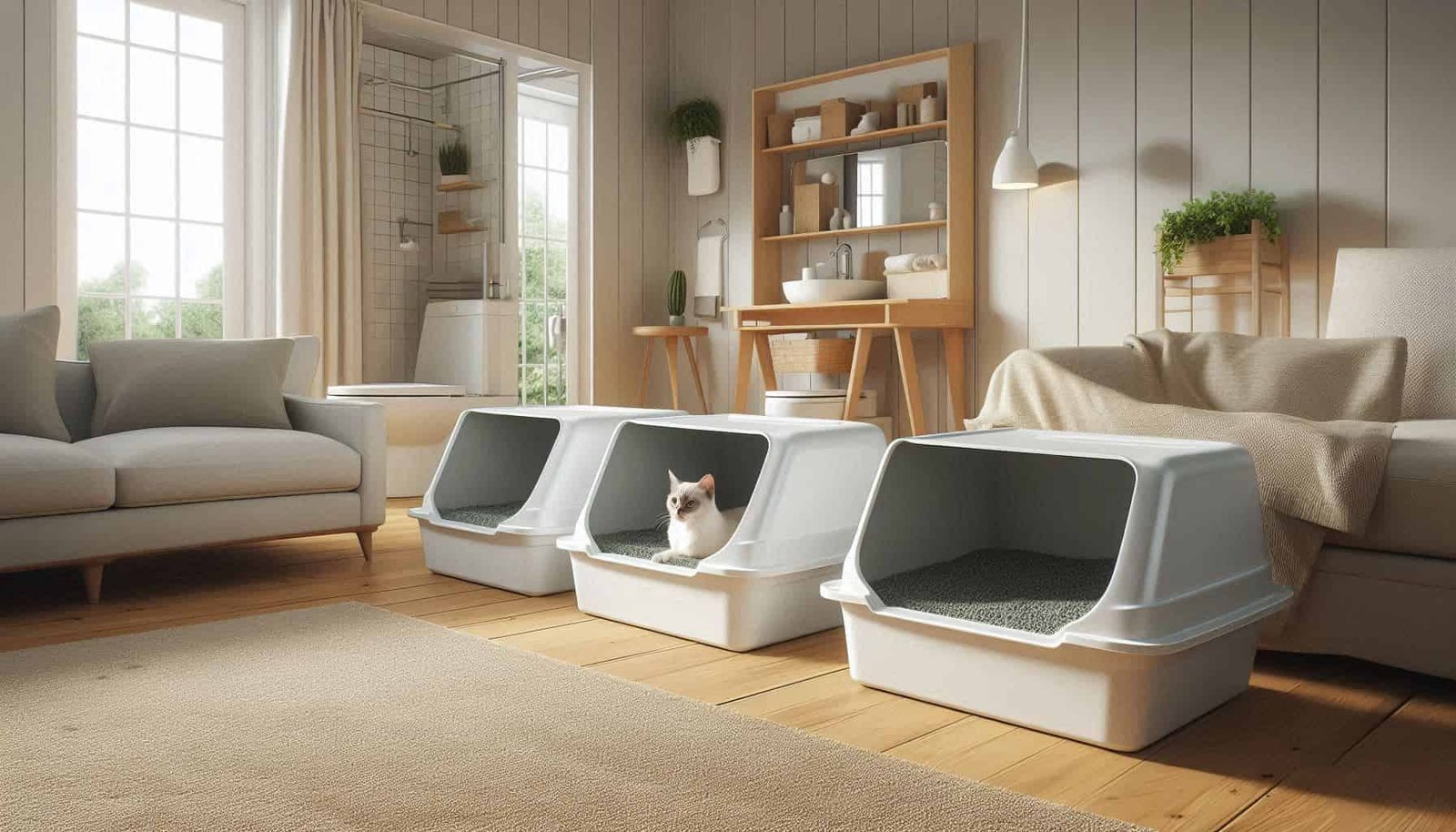
- Provide one box per cat plus one extra
- Use large, uncovered boxes (most cats prefer these)
- Place boxes in quiet, easily accessible locations
- Scoop daily, completely clean weekly
- Use unscented, clumping litter (most cats prefer fine texture)
- Avoid box liners (many cats dislike them)
Solution 3: Increase Water Intake
Dilute urine is less irritating and helps prevent urinary issues. Encourage drinking by:
- Providing fresh water in multiple locations
- Using cat water fountains (many cats prefer running water)
- Adding water to wet food
- Offering ice cubes as treats
- Trying different bowl materials (ceramic, stainless steel)
Solution 4: Reduce Environmental Stress
For stress-related cat peeing outside the litter box but pooping inside:
- Use Feliway diffusers (synthetic calming pheromones)
- Create vertical spaces and hiding spots
- Maintain consistent routines
- Gradually introduce changes when possible
- Provide individual resources in multi-cat households
- Use positive reinforcement training to build confidence
Solution 5: Clean Accident Areas Thoroughly
Use enzymatic cleaners specifically designed for pet urine. Regular cleaners don’t remove the scent markers that encourage repeat accidents. Avoid ammonia-based products—they smell like urine to cats!
Cleaning steps:
- Blot (don’t rub) fresh urine immediately
- Apply the enzymatic cleaner generously
- Let’s sit for the recommended time
- Rinse and repeat if needed
- Block access to favorite accident spots during retraining
Solution 6: Address Mobility Issues for Senior Cats
For older cats with arthritis affecting this litter box behavior:
- Use low-entry litter boxes or cut an entrance in a regular box
- Place boxes on every floor of your home
- Add non-slip mats around boxes
- Discuss pain management with your vet
- Consider joint supplements
Solution 7: Multi-Cat Household Solutions
If you have multiple cats and one is peeing outside the litter box but pooping inside:
- Separate resources (food, water, boxes, perches)
- Provide escape routes and vertical territory
- Feed cats in separate areas to reduce competition
- Create positive associations with the litter box area
- Consider gradual reintroductions if there’s conflict
Similar to how age-appropriate kitten training prevents issues, early socialization helps multi-cat households coexist peacefully.
Preventing Cat Peeing Outside the Litter Box But Pooping Inside
Preventive measures:
- Annual vet checkups (twice yearly for seniors)
- Maintain pristine litter box conditions
- Provide adequate boxes (n+1 rule)
- Monitor water intake and urination frequency
- Reduce household stress
- Feed high-quality, moisture-rich food
- Address conflicts between cats immediately
The Bottom Line:
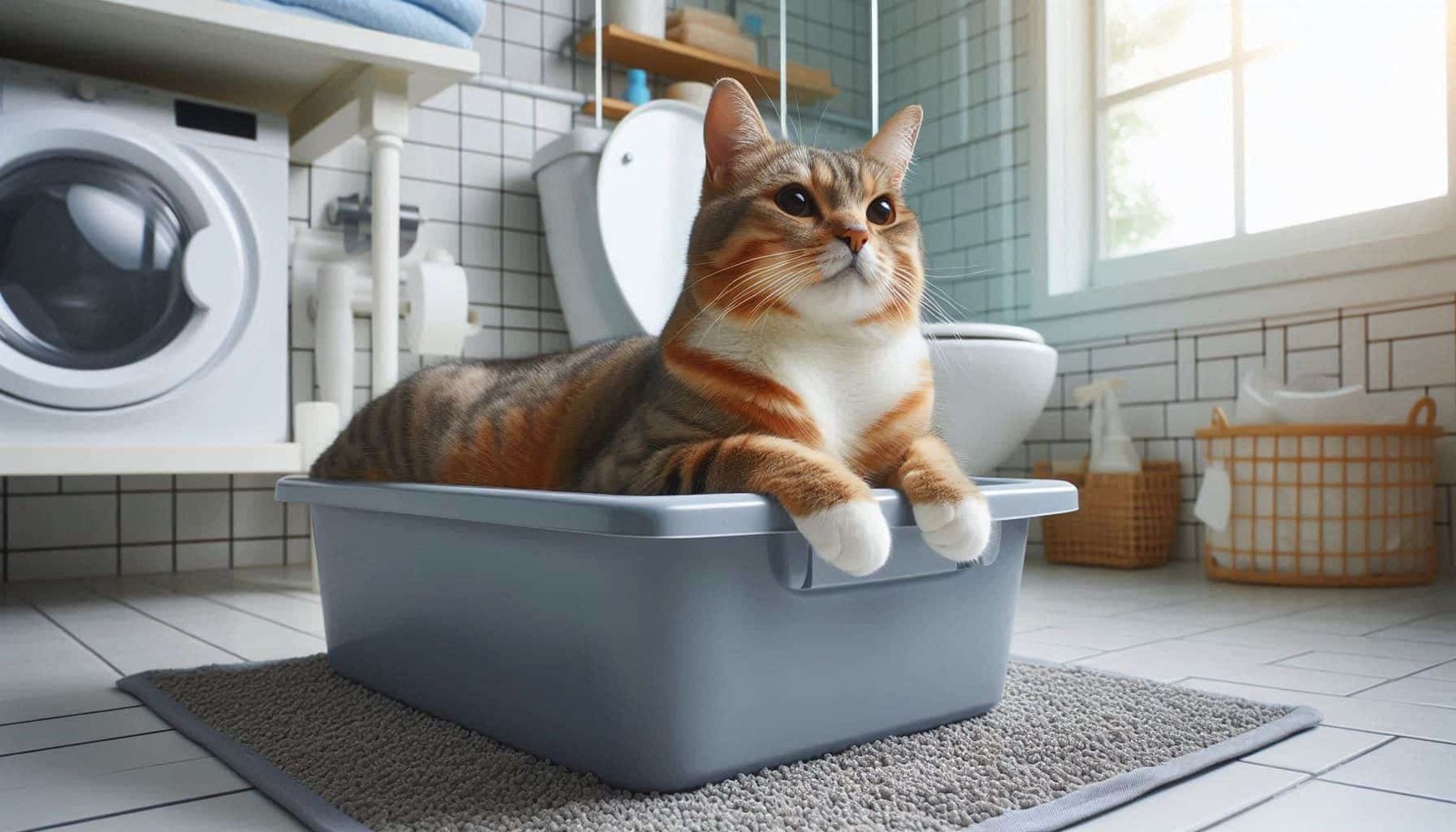
When your cat is peeing outside the litter box but pooping inside, it’s usually not behavioral defiance—it’s a medical or environmental problem. The selective nature of this issue (using the box for defecation but not urination) strongly suggests urinary discomfort or stress affecting the bladder specifically.
Key takeaways:
- Medical causes are most common – UTIs, crystals, cystitis
- See vet immediately – Rule out life-threatening blockages
- Stress affects urination – More than defecation
- Litter box optimization helps – Size, cleanliness, and location matter
- Multiple solutions often needed – Medical + environmental
- Patience is essential – Behavior change takes time
Remember, your cat isn’t trying to punish you or being difficult. A cat peeing outside the litter box but pooping inside is their way of communicating that something’s wrong. With proper veterinary care, environmental modifications, and patience, this frustrating problem is almost always solvable.
About the Reviewer
Dr. Liz Bales, VMD, is a veterinarian specializing in feline medicine with over 15 years of experience. She’s a passionate advocate for indoor cat enrichment and has developed innovative solutions for common cat behavior problems.