
Medically Reviewed by Dr. Mikel Delgado, PhD, CAAB
Certified Applied Animal Behaviorist
Last Updated: February 2026
If you’re searching for the best litter box setup for multiple cats, you’re definitely not alone.
Managing bathroom habits for several felines can feel overwhelming—between the territorial squabbles, the mysterious “accidents,” and that lingering odor you just can’t eliminate.
But here’s the good news: with the right litter box setup for multiple cats, you can create a system that keeps everyone happy, including you.
In this vet-reviewed guide, we’ll explore exactly what makes the best litter box setup for multiple cats, from the golden n+1 rule to strategic placement, and what to do when things aren’t working.
Why the Best Litter Box Setup for Multiple Cats Matters
Here’s the thing—if you’re dealing with accidents outside the box, cats waiting anxiously near litter areas, or territorial aggression, your current setup probably isn’t cutting it.
According to Dr. Mikel Delgado, certified cat behavior expert, “The majority of litter box problems in multi-cat households stem from inadequate resources, not medical issues or spite.”
The American Society for the Prevention of Cruelty to Animals (ASPCA) reports that inappropriate elimination is one of the top reasons cats are surrendered to shelters, with multi-cat households being particularly vulnerable.
That’s why getting your litter box set up for multiple cats right from the start is absolutely crucial.
The consequences of a poor litter box setup:
- Urinary tract infections from “holding it.”
- Behavioral problems and territorial aggression
- Inappropriate elimination outside the box
- Chronic stress affects overall health
The Golden Rule for Litter Box Setup for Multiple Cats

So, what’s the best litter box setup for multiple cats? It starts with the veterinary gold standard: n+1. That means the number of cats you have, plus one additional box.
Quick calculation:
- 2 cats = 3 litter boxes minimum
- 3 cats = 4 litter boxes minimum
- 4 cats = 5 litter boxes minimum
The Cornell University College of Veterinary Medicine emphasizes that this formula provides enough bathroom options to prevent territorial disputes and gives cats choices, which is essential for their sense of security.
But why the extra box? Cats are incredibly particular creatures. Some won’t use a box that another cat has already used. Others have strong preferences about doing “number one” versus “number two” in separate locations. Studies published in the Journal of Feline Medicine and Surgery found that households following the n+1 rule reported 70% fewer elimination problems.
Best Litter Box Setup for Multiple Cats: Strategic Placement

You can’t just line up all your litter boxes in the basement corner and call it done. Strategic placement is absolutely critical for the best litter box setup for multiple cats.
The Ohio State University College of Veterinary Medicine recommends distributing boxes on different floors and in different rooms to prevent one dominant cat from “guarding” the bathroom area and intimidating others. In the wild, cats don’t all eliminate in the same spot—having boxes throughout your home mimics natural behavior.
Where to place boxes:
- Quiet, low-traffic areas away from noisy appliances
- Multiple rooms on different floors
- Away from food and water (at least several feet)
- Accessible spots for senior cats and kittens
Similar to how cats follow specific bathroom routines, they also need proper facilities to feel secure. Just like proper kitten litter training starts with accessibility, adult cats need convenient locations too.
Choosing the Right Box Type and Size
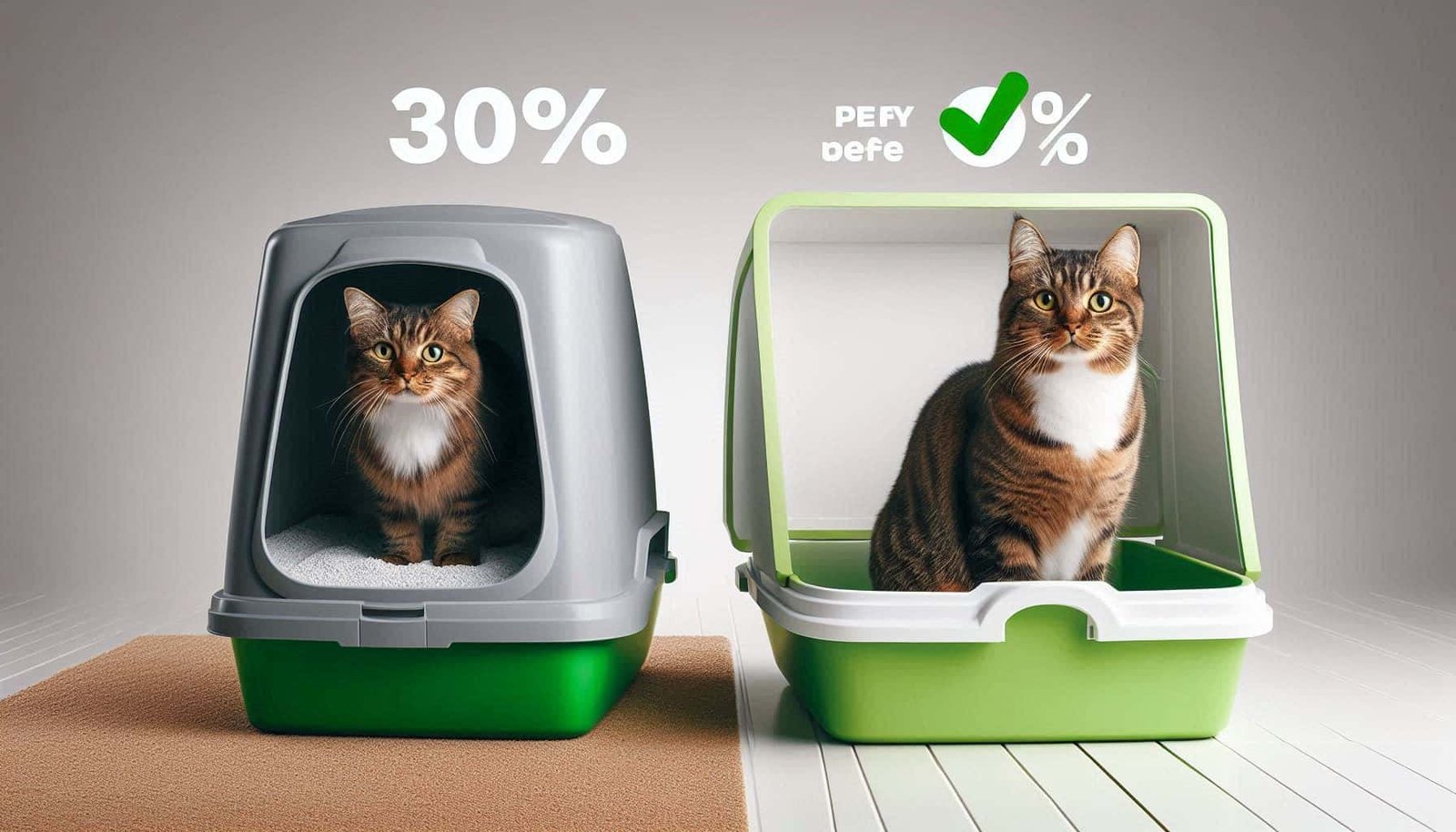
Not all litter boxes are created equal. The International Cat Care organization recommends boxes that are 1.5 times the length of your cat from nose to base of tail. Most commercial litter boxes are too small—consider using large plastic storage containers (18-24 inches long) instead.
Covered vs. Uncovered: What's Best?
Here’s where it gets interesting. A study in the Journal of Veterinary Behavior found that given the choice, 70% of cats preferred uncovered boxes. Covered boxes can trap odors, create ambush points, and feel confining. The best approach for your litter box setup for multiple cats? Offer both types and let your cats vote with their paws.
Best Litter for Multiple Cats
According to Dr. Jennifer Coates, veterinary advisor for petMD, “Heavily scented litters can be overwhelming to cats’ sensitive noses and may discourage box use.”
What works best:
- Unscented clumping litter
- 2-3 inches depth
- Consistent type across all boxes
Maintenance Schedule That Actually Works

Here’s where most multi-cat households fail: inconsistent maintenance. For the best litter box setup for multiple cats, you absolutely need a solid routine.
Daily scooping is non-negotiable. In multi-cat homes, scoop at least twice daily—morning and evening. With multiple cats, boxes get dirty faster. What seems “okay” to you might be disgusting to your cats’ sensitive noses.
Weekly deep cleaning. Empty each box, wash with mild soap and hot water, and refill with fresh litter. The Centers for Disease Control and Prevention (CDC) recommends using hot water and unscented soap, avoiding ammonia-based cleaners.
Replace boxes annually or sooner if they’re scratched or retain odors. Plastic absorbs odors over time.
Warning Signs Your Litter Box Setup Isn't Working
Even with the best litter box setup for multiple cats, watch for these red flags:
- Accidents outside the box
- Cats waiting near boxes anxiously
- Aggressive behavior near litter areas
- Excessive meowing before/after using the box
- Changes in elimination frequency
If you notice blood in urine, straining, or crying while eliminating, consult your veterinarian immediately.
Creating Your Action Plan
Ready to implement the best litter box setup for multiple cats? Here’s your step-by-step guide:
Step 1: Calculate your boxes (number of cats + 1)
Step 2: Choose strategic locations in different areas
Step 3: Purchase appropriately sized boxes (go bigger!)
Step 4: Select quality, unscented clumping litter
Step 5: Establish your maintenance routine with phone reminders
Step 6: Monitor usage and adjust as needed
Just like positive reinforcement training, consistency and patience are key to success.
Common Mistakes to Avoid
Don’t sabotage your best litter box setup for multiple cats with these errors:
- Using liners (cats dislike them)
- Placing all boxes in one room
- Switching litter types frequently
- Not cleaning thoroughly enough
- Thinking one large box equals two regular boxes
The Bottom Line
The best litter box setup for multiple cats comes down to understanding feline psychology and meeting their natural needs for territory, cleanliness, and security.
Key takeaways:
- Follow the n+1 rule—number of cats plus one box minimum
- Strategic placement matters—different floors, different rooms
- Size up—bigger boxes are almost always better
- Maintain religiously—scoop twice daily, deep clean weekly
- Watch for problems and address issues immediately
Remember, your cats aren’t trying to be difficult—they’re simply following their instincts. With the right litter box setup for multiple cats, understanding their needs, and consistent maintenance, you’ll create an environment where all your cats feel comfortable and secure. The result? Consistently appropriate bathroom habits, reduced stress, and a fresher-smelling home.
About the Reviewer
Dr. Mikel Delgado, PhD, CAAB, is a Certified Applied Animal Behaviorist specializing in feline behavior with over 15 years of research experience at UC Davis School of Veterinary Medicine.
References & Authoritative Sources
- American Society for the Prevention of Cruelty to Animals (ASPCA)
- Cornell University College of Veterinary Medicine
- Ohio State University College of Veterinary Medicine
- International Cat Care
- petMD
- Centers for Disease Control and Prevention (CDC)
- American Veterinary Medical Association (AVMA)
- VCA Animal Hospitals