
Medically Reviewed by Dr. Stephanie Janeczko, DVM
Last Updated: March 2026
How often should you scoop cat litter? If you’ve been wondering whether your scooping routine is up to par, you’re asking the right question. The answer might surprise you—and it’s more important for your cat’s health than you might think.
Let’s dive into expert recommendations on how often you should scoop cat litter and why this simple task can make a huge difference in your cat’s well-being.
Why How Often You Scoop Cat Litter Really Matters
Here’s the thing: your cat cares way more about litter box cleanliness than you probably realize. Cats are naturally fastidious creatures with an incredibly sensitive sense of smell. When we don’t scoop often enough, we’re not just dealing with odors—we’re potentially putting our cats’ health at serious risk.
According to emergency veterinarian Dr. Justine Lee, understanding how often you should scoop cat litter isn’t just about convenience. It’s about preventing life-threatening conditions like feline urethral obstruction (FUO) and feline lower urinary tract disease (FLUTD).
The Expert Answer: How Often Should You Scoop Cat Litter?
The golden rule: at a minimum, once or twice daily.
All veterinary experts agree on this point. Dr. Stephanie Janeczko emphasizes that litter boxes should be scooped at least once a day, and it’s even better to scoop immediately after your cat uses the box.
According to a poll of roughly 2,600 cat owners, the most common scooping frequency is multiple times each day. Here’s what vets actually recommend:
Minimum: Once per day
Recommended: Twice per day (morning and night)
Ideal: After each use, if possible
Multi-cat households: 2-3 times per day minimum
Health Risks of Not Scooping Cat Litter Often Enough
When you don’t scoop cat litter frequently enough, your cat faces real medical dangers.
Urinary Tract Problems
Cats who avoid dirty litter boxes may “hold it” to avoid stepping in their own waste. This causes concentrated urine, potentially leading to:
- Feline urethral obstruction (FUO) – A life-threatening blockage
- Feline lower urinary tract disease (FLUTD) – Painful bladder inflammation
- Urinary tract infections – Bacteria from festering waste
Dr. Lee warns that when cats urinate only once a day instead of 2-3 times, concentrated urine can form crystals that can plug the urethra.
Behavioral Issues
Cats forced to use a filthy litter box experience stress, which triggers hormones that cause bladder inflammation. The stressed cat then associates the litter box with pain and may start eliminating elsewhere—your bed, couch, or laundry basket.
How Often Should You Scoop Cat Litter in Different Situations?
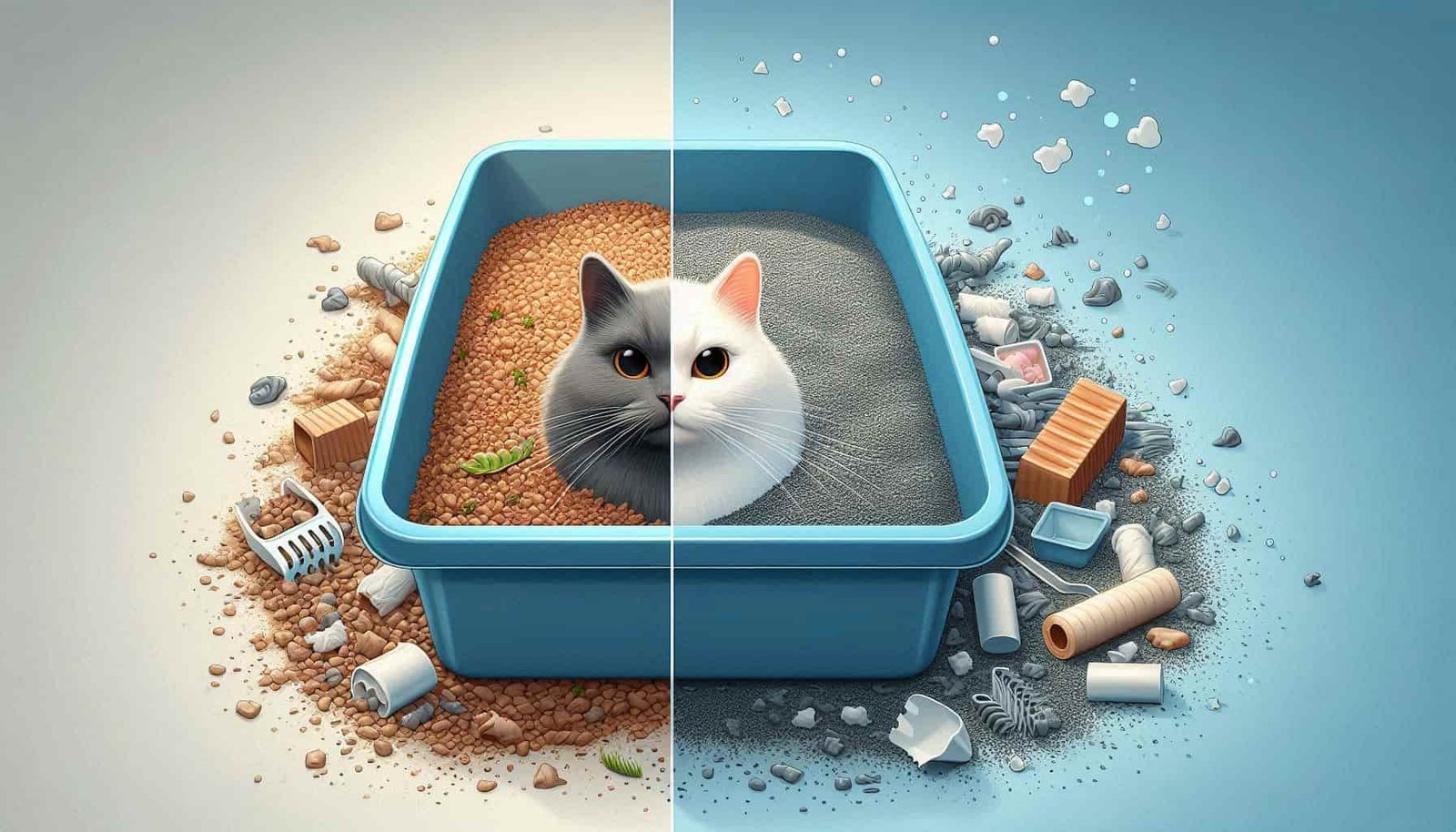
Single cat: Scoop at least once daily, twice is better
Multiple cats: 2-3 times per day minimum
Small apartments: Twice daily for odor control
Senior cats: More frequently—older cats prefer cleaner boxes
Beyond Daily Scooping: Complete Litter Changes
Knowing how often you should scoop cat litter is just part of the equation. You also need complete changes:
Clumping litter: Full change every 2-4 weeks
Non-clumping litter: Complete change every 7-10 days
Crystal/silica litter: Change every 3-4 weeks
When changing completely, clean the box with mild, unscented soap and warm water. Avoid harsh chemicals that might deter your cat.
How to Scoop Cat Litter Properly
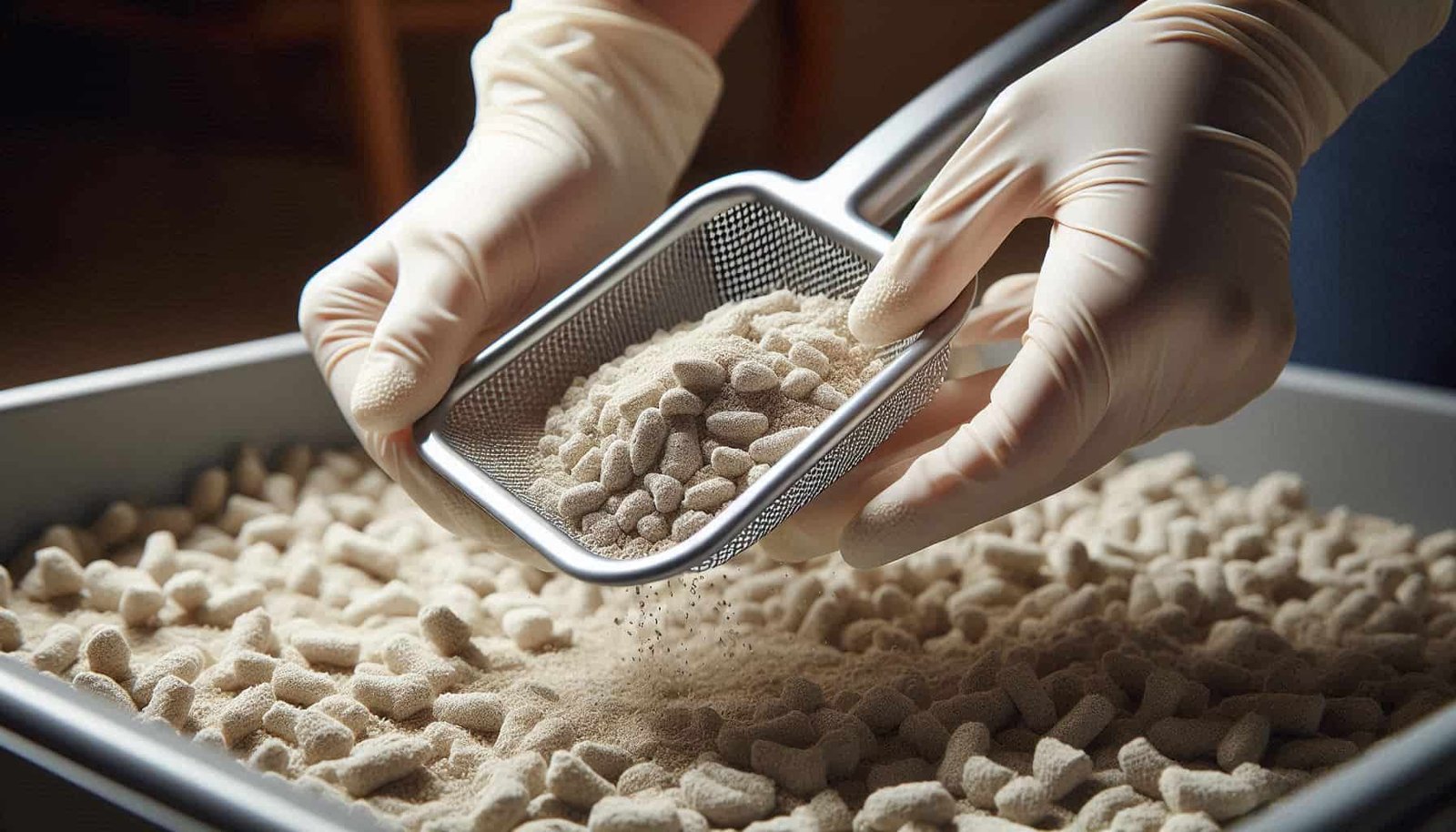
- Use a sturdy, fine-mesh scoop
- Dig down into the litter and shake gently
- Let clean litter fall through; dump clumps
- Continue until you only find clean litter
- Add fresh litter to maintain a 2-3-inch depth
The entire process takes just a few minutes—about the same time as brushing your teeth!
Warning Signs Your Litter Box Isn't Clean Enough
Watch for these signals that you need to scoop more often:
- The cat scratches outside the box instead of inside
- Urinating or defecating outside the box
- Straining to urinate
- Blood in urine
- Excessive licking of the genital area
- Vocalizing pain when using the box
If you notice any of these symptoms, contact your veterinarian immediately while increasing how often you scoop cat litter.
Tips to Make Scooping Cat Litter Easier
Set phone reminders for morning and evening scooping
Keep supplies nearby – Store the scoop right next to the box
Use a lined bucket – Keep it next to the box for quick disposal
Consider automatic boxes – Self-cleaning litter boxes scoop for you
Make it routine – Tie scooping to existing habits like making coffee
What Cat Owners Say
Sara from Portland shares: “I used to scoop every other day and wondered why my cat kept peeing on my bath mat. Once I started scooping twice daily, the problem completely stopped. I wish I’d known sooner that how often you scoop cat litter directly affects behavior!”
Dr. Lois Palin from Doylestown Veterinary Hospital emphasizes that cats are incredibly hygienic animals. When litter boxes aren’t cleaned regularly, cats experience distress and anxiety, and may act out.
Your Action Plan for Optimal Scooping
Week 1: Start scooping twice daily and monitor your cat’s behavior
Week 2: Evaluate if you need to increase frequency
Ongoing: Maintain a consistent schedule
Monthly: Replace plastic boxes every 6 months (they absorb odors)
The Bottom Line on How Often You Should Scoop Cat Litter

The answer to “how often should you scoop cat litter” is clear from veterinary experts: at least once or twice daily, with more frequent scooping being even better.
This isn’t just about odors or cleanliness—it’s about preventing serious, potentially life-threatening urinary tract problems in your cat. When you scoop regularly, you’re also monitoring your cat’s health by noticing changes in waste that could signal medical issues early.
Cats are clean creatures who deserve a clean bathroom. The few minutes you spend scooping each day can prevent expensive vet bills, behavioral problems, and serious health complications.
So grab that scoop and make it a habit. Your cat’s health will thank you!
About the Reviewer
Dr. Stephanie Janeczko, DVM, is a veterinarian with over 12 years of experience in feline medicine. She specializes in preventive care and has published extensively on cat health topics.
References & Authoritative Sources
Disclaimer: This article is for informational purposes only. Always consult with your veterinarian for specific concerns about your cat’s health or litter box habits.