Medically Reviewed by Dr. Mikel Delgado, PhD, CAAB
Certified Applied Animal Behaviorist
Last Updated: February 2026
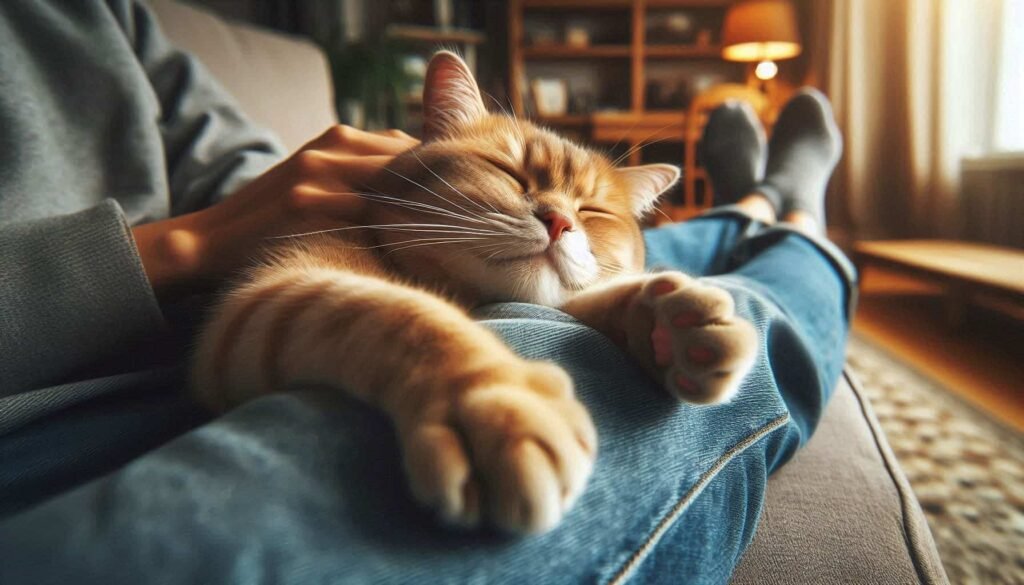
If you’re experiencing cat kneading with claws out on your lap, you know it’s the ultimate mixed blessing. Your cat is showing pure affection and contentment, but those needle-sharp claws digging into your skin? That’s the painful part nobody warns you about. This adorable “making biscuits” behavior is completely normal—but understanding why cats knead with claws out can help you manage it without ruining those precious bonding moments.
In this vet-reviewed guide, we’ll explore what cat kneading with claws out really means, why it happens, and practical solutions to keep enjoying your cat’s affection without the puncture wounds.
What Does Cat Kneading with Claws Out Actually Mean?
Here’s the thing—cat kneading with claws out is one of the highest compliments your cat can give you. This instinctive behavior starts in kittenhood when kittens knead their mother’s belly to stimulate milk flow. That rhythmic push-pull motion becomes deeply wired into their brain as a sign of ultimate comfort, safety, and love.
According to Dr. Mikel Delgado, certified cat behavior expert, “Kneading is a holdover behavior from kittenhood that adult cats retain as a powerful self-soothing mechanism and a way to express deep affection toward their favorite humans.”
The difference between gentle kneading and cat kneading with claws out comes down to your cat’s emotional state. When cats are supremely relaxed or intensely happy, they sometimes forget to retract their claws—leading to those painful pricks. The American Society for the Prevention of Cruelty to Animals (ASPCA) confirms that kneading releases endorphins that help cats relax and feel secure.
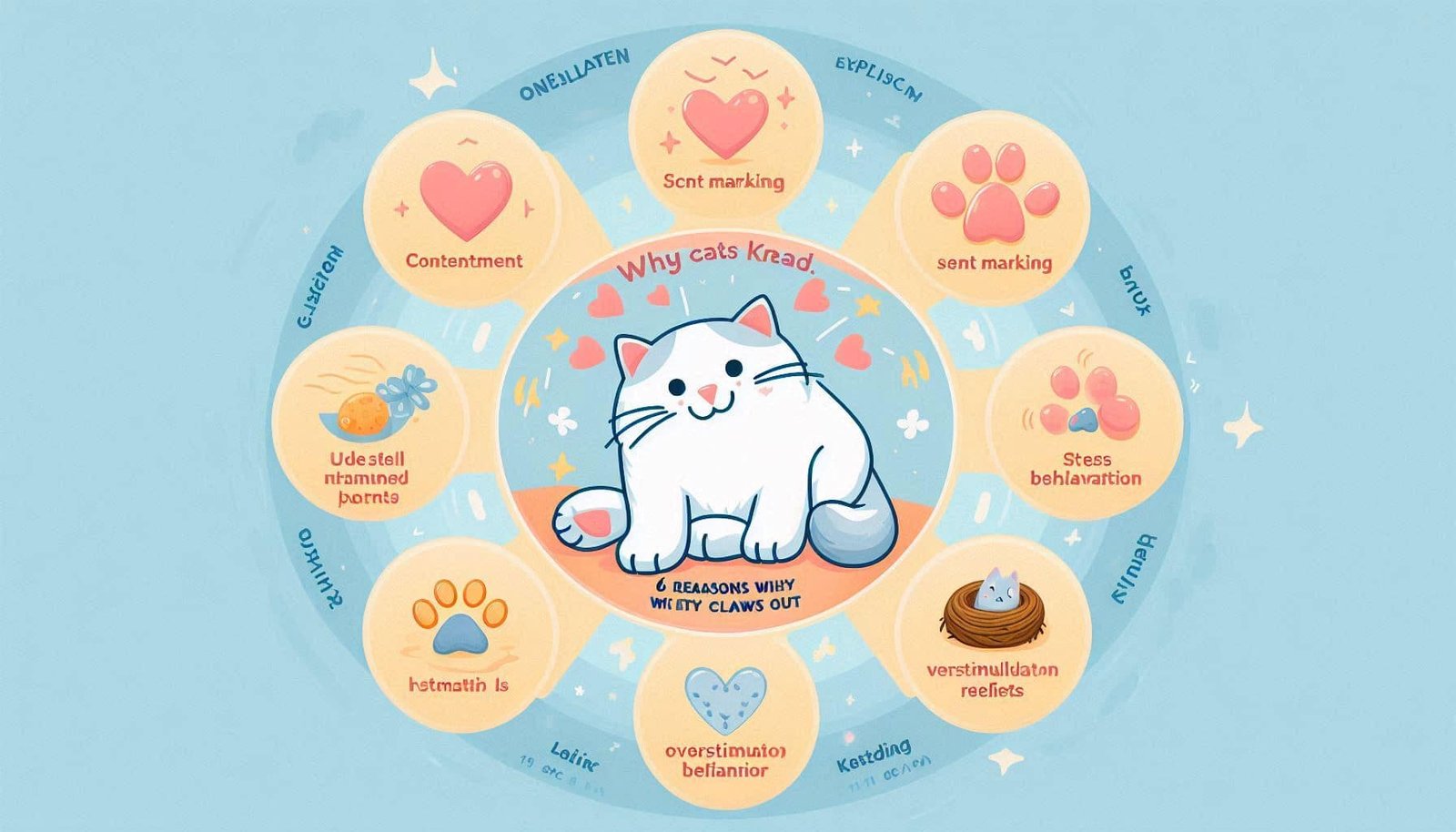
Cat Kneading with Claws Out: 6 Main Reasons Why It Happens
Reason 1: Pure Contentment and Happiness
The #1 reason cats knead with claws out is absolute bliss. When your cat is supremely comfortable and happy with you, they revert to that kitten behavior they associate with nursing and safety. The extended claws aren’t intentional—they’re simply so relaxed that claw retraction becomes an afterthought. Similar to why cats follow you to the bathroom, it’s all about bonding and feeling safe with you.
Reason 2: Territorial Scent Marking
Cat kneading with claws out serves a territorial function too. Cats have scent glands in their paw pads, and when they knead you, they’re marking you as “theirs.” The extended claws help press those scent glands more firmly against you. According to Cornell University College of Veterinary Medicine, this scent-marking behavior is a powerful sign of affection and ownership.
Reason 3: Instinctive Nesting Behavior
Wild cats would knead tall grass or leaves to create comfortable sleeping spots. Your cat retains this ancient instinct, which is why you’ll notice your cat kneading with claws out before they settle down for a nap on your lap. The International Cat Care organization explains that this nesting behavior is hardwired into feline DNA.
Reason 4: Overstimulation or High Excitement
Sometimes, cat kneading with claws out happens because your cat is overly excited. When petting reaches that perfect spot or the anticipation of dinner time arrives, those intense positive emotions can trigger more vigorous kneading with fully extended claws.
Reason 5: Stress Relief and Self-Soothing
Cats engage in cat kneading with claws out as a stress-relief mechanism. If there have been changes in your household—new pets, moving, or schedule disruptions—your cat might knead more frequently to self-soothe and regain that sense of security from kittenhood.
Reason 6: Lack of Early Claw Control Training
Kittens learn appropriate claw control through play with littermates and correction from their mother. Cats weaned too early sometimes never fully learn to retract their claws during affectionate behaviors. Just like proper kitten training tips by age matter for other behaviors, early socialization affects claw control, too.
Is Cat Kneading with Claws Out Normal Behavior?
Absolutely! Cat kneading with claws out is completely normal feline behavior that indicates your cat feels safe, comfortable, and deeply bonded with you. According to VCA Animal Hospitals, the intensity varies between individual cats—some knead gently with retracted claws, while others knead vigorously with fully extended talons. Both are normal variations of the same affectionate behavior.
When Cat Kneading with Claws Out Becomes Concerning
While cat kneading with claws out is usually harmless, watch for these warning signs:
Consult your veterinarian if you notice:
- Obsessive, compulsive kneading that never stops
- Kneading accompanied by aggressive behavior or hissing
- Self-kneading (obsessively kneading their own body)
- Kneading causes self-injury or hair loss
- Sudden dramatic changes in kneading behavior
According to Ohio State University’s Indoor Pet Initiative, obsessive kneading can sometimes indicate anxiety disorders or neurological issues requiring professional evaluation.
How to Manage Cat Kneading with Claws Out: 7 Practical Solutions
Solution 1: Regular Nail Trimming (Most Effective)
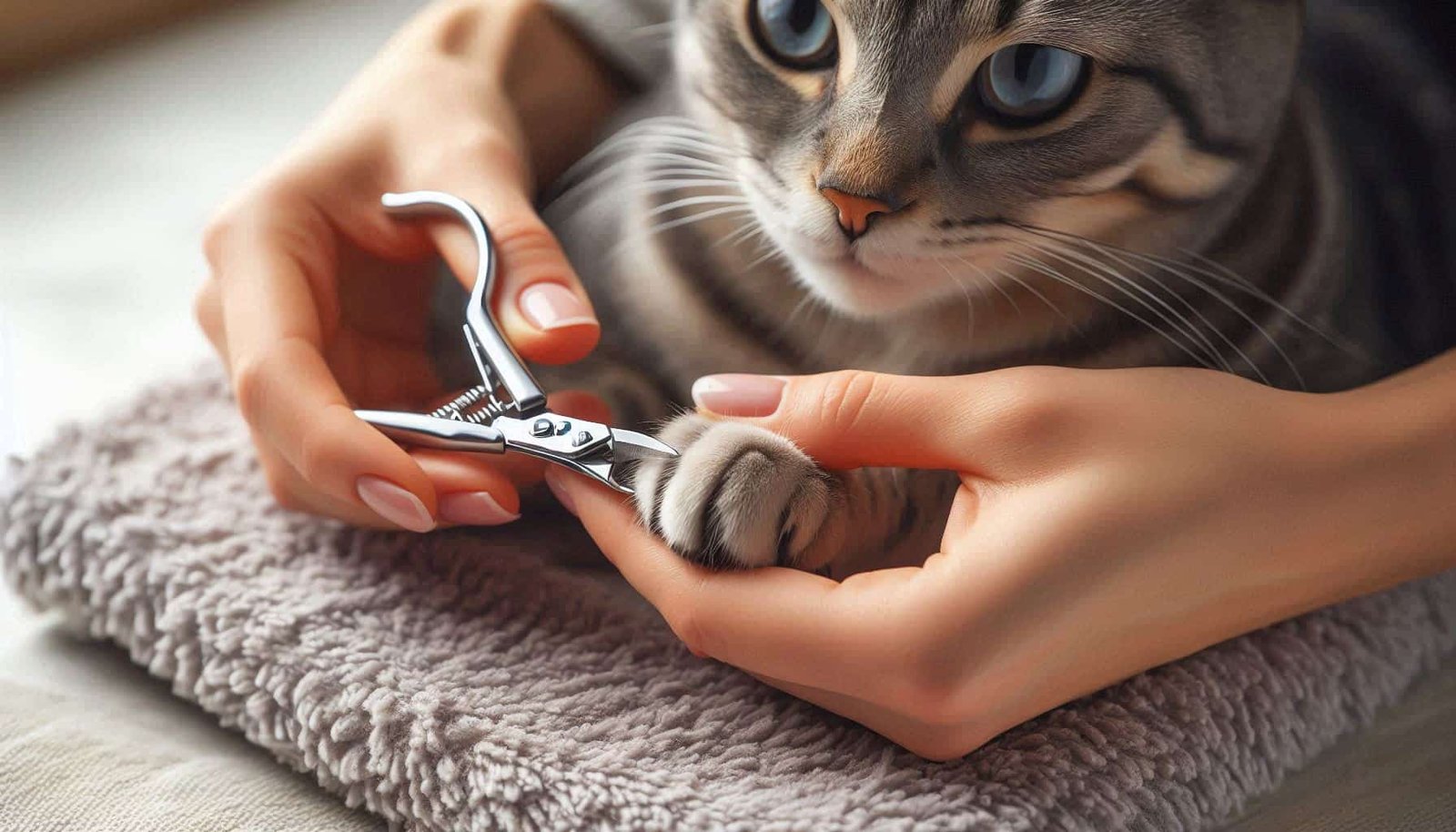
The single most effective way to minimize discomfort from cat kneading with claws out is keeping those claws trimmed. Trim just the sharp pointed tips every 2-3 weeks—this won’t stop the kneading behavior, but it’ll make it significantly less painful. The American Veterinary Medical Association (AVMA) provides detailed guides on safe nail trimming techniques.
Solution 2: Keep a Thick Blanket Handy
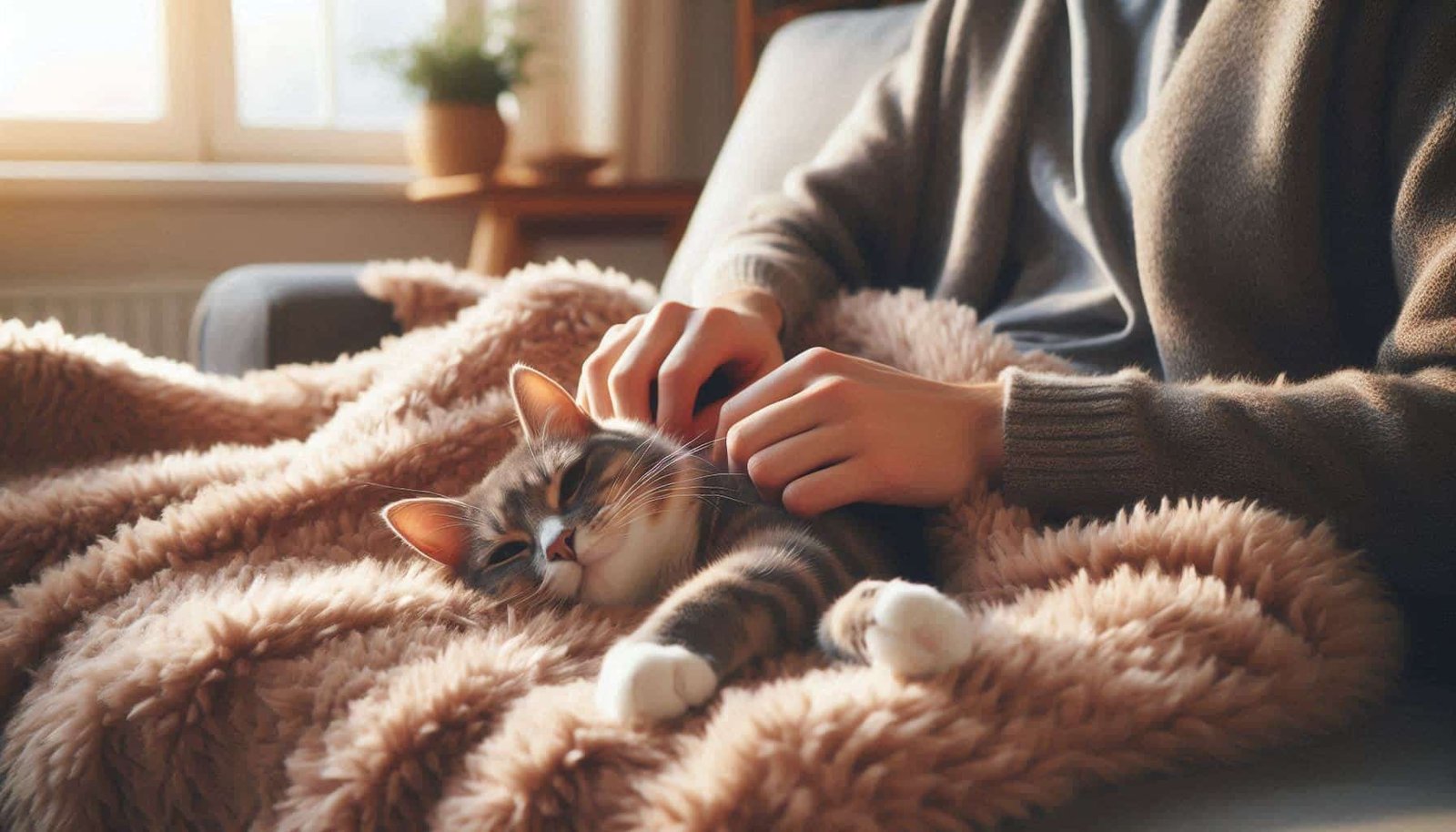
Keep a thick, plush blanket within arm’s reach for lap time. When your cat starts that cat kneading with claws out motion, gently place the blanket between their paws and your legs. This creates a protective buffer while still allowing your cat to knead comfortably.
Solution 3: Redirect to a Designated Kneading Surface
Train your cat to knead a specific soft item instead of directly on you. Keep a plush pillow or fleece blanket nearby during cuddle time. When cat kneading with claws out begins, gently guide their paws onto the designated item. With consistent positive reinforcement—similar to clicker training techniques—your cat can learn to knead their special surface.
Solution 4: Gently Press Paw Pads to Retract Claws
When you feel those claws digging in, try this gentle technique: softly press on the center of your cat’s paw pads. This mimics the natural reflex that causes cats to retract their claws. Do this calmly—never roughly, as this could startle them and damage your bond.
Solution 5: Consider Soft Nail Caps
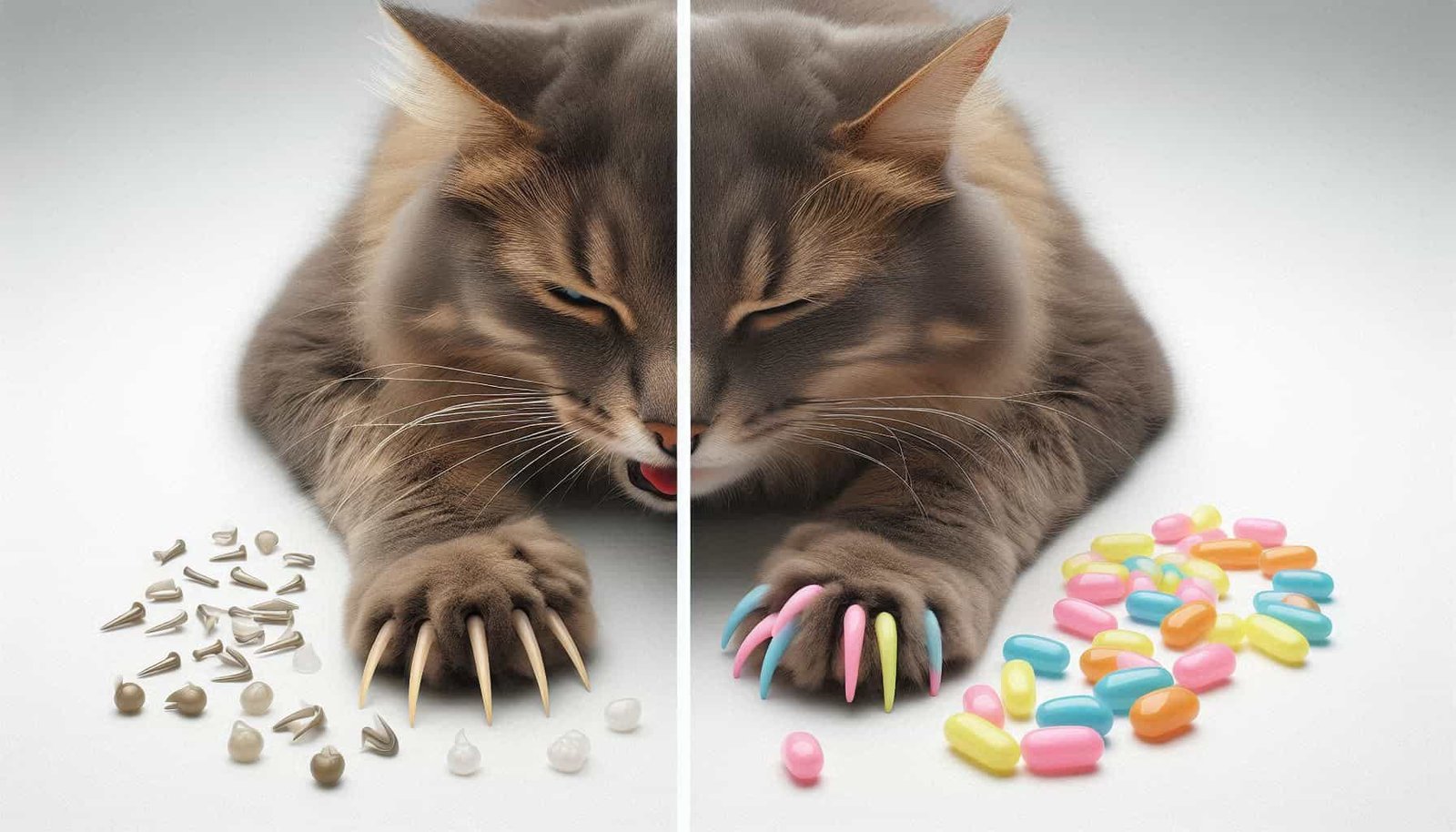
Soft silicone nail caps like Soft Paws can be applied over your cat’s claws. These caps cover the sharp tips, making cat kneading with claws out completely painless while lasting 4-6 weeks. According to the American Association of Feline Practitioners, nail caps are an excellent humane alternative to declawing.
Solution 6: Never Punish the Behavior
Never yell at, push away, or punish your cat for cat kneading with claws out. This behavior is your cat’s way of saying, “I love you and trust you completely.” Punishing it damages your relationship and creates stress. Instead, use gentle redirection and protective barriers. Just like proper kitten litter training relies on positive methods, managing kneading requires patience and understanding.
Solution 7: Learn to Read Escalation Signs
Become fluent in your cat’s body language to predict when cat kneading with claws out might intensify. If you notice kneading becoming more vigorous, ears flattening, or tail twitching, gently set your cat down before overstimulation peaks.
The Bottom Line:
Cat kneading with claws out is a beautiful, instinctive expression of love, contentment, and trust—even when it’s occasionally uncomfortable for you. Your cat isn’t trying to hurt you; they’re showing you that you’re their safe person, their family, their chosen human.
Key takeaways:
- Completely normal behavior – Shows deep affection and ultimate comfort
- Multiple reasons – From contentment to territory marking to nesting instinct
- Easily managed – Nail trimming, blankets, and redirection work wonderfully
- Never punish – This damages trust and your precious bond
- Pure love language – Your cat is telling you they adore you
With regular nail maintenance, strategic barriers, and understanding of what cat kneading with claws out really means, you can fully enjoy those precious bonding moments. Remember—when your cat kneads you with claws extended, they’re giving you the ultimate feline compliment. You’re their safe place, their family, their chosen person.
About the Reviewer
Dr. Mikel Delgado, PhD, CAAB, is a Certified Applied Animal Behaviorist specializing in feline behavior with over 15 years of research experience at UC Davis School of Veterinary Medicine.
References & Authoritative Sources
- American Society for the Prevention of Cruelty to Animals (ASPCA)
- Cornell University College of Veterinary Medicine
- International Cat Care
- VCA Animal Hospitals
- Ohio State University – Indoor Pet Initiative
- American Veterinary Medical Association (AVMA)
- American Association of Feline Practitioners
- The Humane Society of the United States