

Medically Reviewed by Dr. Michael Roberts, DVM
Last Updated: December 2025
Seeing your dog limping after sleeping can be alarming. One minute your pup is snoozing peacefully, and the next they’re hobbling around like they aged twenty years overnight. So, should you worry when your dog is limping after sleeping? The short answer is: it depends. Sometimes it’s harmless, but other times it’s a sign that something needs attention.
In this comprehensive guide, we’ll explore why dog limping after sleeping happens, when it’s normal, and exactly what you should do about it.
Is Dog Limping After Sleeping Normal?
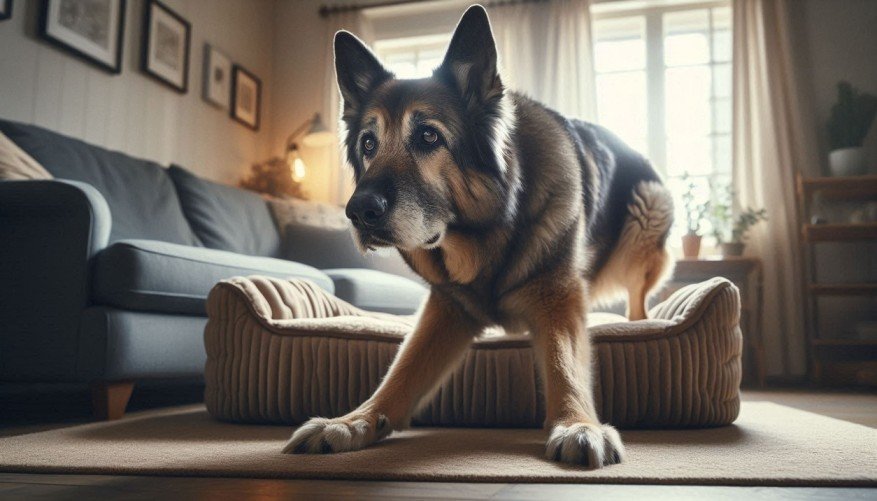
Here’s the thing—sometimes yes, sometimes no. A brief limp after rest that disappears within a few minutes is usually nothing to panic about. But when your dog limping after sleeping happens frequently or lasts more than a few minutes, that’s your cue to pay closer attention.
According to veterinary research, osteoarthritis is the most common cause of dog limping after lying down, becoming more prevalent with age. By age 12, most dogs experience some degree of arthritis. However, studies also show that 3 out of 5 dogs experience early joint issues, meaning this isn’t just a senior dog problem.
Common Causes :
Understanding why your dog is limping after sleeping helps you determine whether it’s time to call the vet. Let’s break down the most common culprits:
1. Arthritis and Joint Stiffness (Most Common)
This is the big one. Arthritis causes inflammation and stiffness in the joints, which gets worse after inactivity. When your dog limps after sleeping, their joints are often cold and stiff. As they move around, joint fluids start lubricating the area, and the dog limping after resting often improves—this is called the “warm-up effect.”
Signs of arthritis beyond limping:
- Walking more slowly than usual
- Difficulty jumping, climbing stairs, or getting into cars
- Reluctance to play or exercise
- Getting up slowly with difficulty
Real story: “My 8-year-old Golden Retriever Max started limping every morning after sleeping. The first few steps were painful to watch, but after a minute or two, he’d walk normally. My vet diagnosed early-stage arthritis. With supplements and an orthopedic bed, he’s so much better now.” — Linda S., Denver
2. The Leg Fell Asleep (Paresthesia)
Just like humans, dogs’ legs can fall asleep! Dogs often don’t realize their leg is asleep until they try to walk. You might notice them licking or biting at their leg to “wake it up.” This is completely normal and happens to dogs of any age.
When it’s concerning: If your dog’s leg falls asleep repeatedly or the numbness lasts more than a few minutes, it could indicate underlying issues. Similar to how dogs can experience unusual movement patterns like walking sideways, repeated nerve issues need veterinary attention.
3. Muscle Stiffness and Soreness
Inactive muscles stiffen up, particularly after strenuous activity. This dog limping after laying down is especially common after:
- A particularly active day at the dog park
- Swimming or learning new physical tricks
- Changes in exercise routine
Just like how puppies experience growing pains during training, adult dogs can wake up sore after overdoing activity.
4. Hip or Elbow Dysplasia
Dysplasia is a genetic condition where joints don’t form properly. Hip dysplasia is common in large breeds like German Shepherds and Labradors. These conditions cause pain and limping that’s often worse after rest because joints stiffen up. According to veterinary experts, proper nutrition and maintaining a healthy weight help reduce stress on compromised joints.
5. Injury or Trauma
Sometimes your dog has an unseen injury that wasn’t obvious during the day. Being in one position for an extended time can aggravate the area, causing the dog to limp after sleeping. Common hidden injuries include:
- Paw pad injuries (thorns, glass, cuts)
- Soft tissue strains or sprains
- Ligament tears (like ACL injuries)
6. Panosteitis ("Growing Pains")
Affecting large breed puppies, this bone inflammation causes limping that mysteriously shifts from leg to leg. It typically appears between 5-18 months of age, and most puppies outgrow it by 18 months.
7. Infections or Tumors
Dog-to-dog bite wounds account for 10-15% of trauma cases in veterinary clinics. If untreated, bacteria can enter wounds and cause infections that lead to lameness. Soft tissue tumors can also develop in muscles or ligaments, causing pain and limping.
When Dog Limping After Sleeping Is an Emergency
Not sure if your dog limping after sleeping needs immediate attention? Here’s when to call the vet right away:
Emergency symptoms:
- Complete inability to bear weight on the limb
- Suddenly, severe limping appeared overnight
- Visible bleeding, wounds, or swelling
- Whimpering or signs of severe pain
- Limping accompanied by fever, lethargy, or loss of appetite
Schedule a vet visit soon if:
- The dog’s limp after sleeping persists for more than 24-48 hours
- The limp is gradually getting worse
- You notice behavioral changes or decreased appetite
- The limping shifts from leg to leg
According to veterinary guidance, it’s highly unusual for a dog to limp without being in pain, though they often hide discomfort well. Similar to how dogs show anxiety through nighttime behaviors, limping is a clear pain signal.
What to Do When Your Dog Is Limping After Resting
Here’s your step-by-step action plan:
Step 1: Observe and Document
- Note which leg is affected
- How long does the limp last
- Record when it happens (every morning? after every nap?)
- Video the limping for your vet
- Check if it improves with movement
Step 2: Physical Examination at Home
Gently examine your dog’s affected leg:
- Check paw pads for thorns, glass, or foreign objects
- Look between toes for debris
- Feel for swelling, heat, or tender spots
- Compare the affected leg to the healthy one
Caution: Even gentle dogs may snap if you touch a painful area. Be careful and stop if your dog shows signs of distress.
Step 3: Restrict Activity
While figuring out the cause:
- Limit strenuous exercise and play
- Avoid stairs, jumping, and running
- Keep walks short and slow
- Provide a comfortable resting area
Similar to creating a safe recovery space, like crate training, restricting activity helps healing.
Step 4: Don’t Self-Medicate
Never give your dog human pain medications like ibuprofen or acetaminophen. These can be toxic to dogs. Only give medications prescribed by your veterinarian.
How Vets Diagnose Dog Limping After Lying Down
Your veterinarian will use several methods to diagnose the cause:
Physical examination:
- Orthopedic assessment of joints and limbs
- Checking range of motion and pain response
- Evaluating gait and posture
Diagnostic imaging:
- X-rays to check bones and joints
- MRI or CT scans for soft tissue problems
Additional tests:
- Blood work to check for infections or systemic diseases
- Joint fluid analysis if infection is suspected
Treatment Options for Dog Limping After Sleeping

Treatment depends entirely on the cause:
For arthritis and joint stiffness:
- Non-steroidal anti-inflammatory drugs (NSAIDs)
- Joint supplements (glucosamine, chondroitin, omega-3 fatty acids)
- Weight management to reduce joint stress
- Physical therapy or hydrotherapy
- Orthopedic beds for better support
For injuries:
- Rest and restricted activity
- Pain management medications
- Physical therapy
- Surgery for severe tears or fractures
- Antibiotics for infected wounds
For dysplasia:
- Weight management
- Joint supplements
- Anti-inflammatory medications
- Surgery in severe cases
For panosteitis:
- Anti-inflammatory medications
- Rest during flare-ups
- Patience—most dogs outgrow it by 18 months
Prevention: Keeping Your Dog Mobile and Comfortable

You can’t prevent all causes of dog limping after sleeping, but these strategies help you:
- Maintain a healthy weight: Excess weight stresses joints and accelerates arthritis.
- Provide regular, appropriate exercise: Keeps muscles strong and joints flexible.
- Use orthopedic bedding: A supportive bed reduces pressure on joints, especially for senior dogs.
- Consider joint supplements: Glucosamine and chondroitin support joint health. Start them early, especially in large breeds.
- Regular vet checkups: Catch developing issues early, before they become serious problems.
- Keep nails trimmed: Long nails change how dogs walk and can cause joint problems.
Should You Worry About Dog Limping After Sleeping?
So, should you worry when your dog is limping after sleeping? Here’s the summary:
Don’t panic if:
- The limp disappears within 1-2 minutes
- It only happens occasionally
- Your dog is otherwise acting normal
- There’s no visible injury or swelling
Do call your vet if:
- Dog limping after sleeping happens frequently
- The limp lasts more than a few minutes
- It’s getting progressively worse
- There’s a complete inability to bear weight
Remember, osteoarthritis is the most common cause of dog limping after sleeping, affecting most dogs by age 12. But the good news? With proper management, arthritis and most other causes are very treatable. Your dog can still live a happy, comfortable life with the right care.
The key is paying attention to your furry friend and not dismissing repeated limping as “just getting old.” Early intervention makes a huge difference in outcomes and quality of life.
Related reading: Understanding pet behavior changes is crucial. Check out our guides on helping cats adjust after moving, separation anxiety between bonded dogs, and understanding feline communication.
About the Reviewer
Dr. Michael Roberts, DVM, is a veterinarian specializing in orthopedic and mobility issues in dogs with over 16 years of clinical experience. He has treated thousands of cases of canine lameness and arthritis.
Has your dog experienced limping after sleeping? Share your experience in the comments below!
References & Authoritative Sources
- PetHelpful – Causes of Dog Limping After Sleeping
- K9 Carts – Dog Limping After Lying Down
- Chewy – Why Is My Dog Limping? Causes and Treatments
- The Vets – Why Is My Dog Limping? 6 Common Reasons
- Walkerville Vet – 20 Causes Of Lameness & Limping In Dogs
- Hero Pet Health – Dog Limping After Lying Down Prevention
Disclaimer: This article is for informational purposes only and is not a substitute for professional veterinary advice. Always consult with your veterinarian for specific concerns about your dog’s health.






2 thoughts on “Dog Limping After Sleeping: Should You Worry? (Vet-Reviewed Guide)”
Pingback: Dog Keeps Licking Paws at Night: Causes and Solutions (Vet-Reviewed Guide) - petopiaguide
Pingback: Why Does My Dog Walk Sideways? 5 Common Reasons Explained - petopiaguide