Medically Reviewed by Dr. Jennifer Thompson, DVM
Last Updated: April 2026
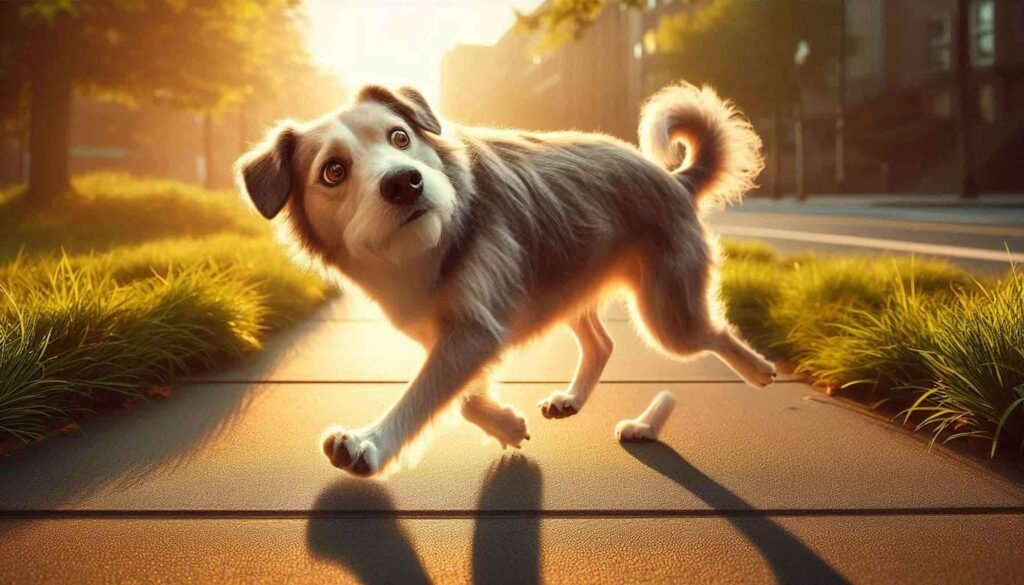
If you’ve noticed your dog walk sideways—sometimes called “crabbing” or “sidewinding”—you’re probably wondering what’s going on. Is it cute? Is it concerning? Should you call the vet?
Here’s the thing: when dogs walk sideways, it can range from totally normal puppy behavior to a sign of something that needs veterinary attention. Let me help you figure out which one applies to your furry friend.
What Does It Mean When Dogs Walk Sideways?
When a dog walks sideways, they move forward while their body is angled, almost like a crab scuttling along the beach. Some dogs do this occasionally, while others make it their signature move.
According to veterinary research, up to 50% of cases in younger dogs are due to benign causes like growth spurts, while in senior dogs, it’s more commonly related to balance issues or pain.
5 Common Reasons Why Your Dog Walks Sideways

1. Puppy Growing Pains (The Awkward Teenage Phase)
Just like human teenagers go through awkward growth spurts, puppies do too! If your dog walks sideways and they’re between 4 and 12 months old, they might just be dealing with rapidly growing legs.
Why this happens: Their legs are growing faster than their body can coordinate them. Walking sideways gives them more room to move those long limbs without tripping over themselves.
What to look for:
- Happens during a 4-8 month age range
- The dog is otherwise healthy and playful
- No signs of pain or discomfort
- Usually outgrows it by 12 months
What to do: Nothing! Most puppies naturally outgrow this phase. Just make sure your vet rules out hip dysplasia during their regular checkups, as large breed puppies can be at higher risk.
2. Vestibular Disease (Balance System Problems)
This is one of the most common medical reasons why dogs walk sideways, especially in senior dogs. Vestibular disease affects the balance system in the inner ear or brain, making your dog feel dizzy and disoriented.
Research shows that in younger dogs, up to 50% of vestibular cases are due to ear infections, while many cases in older dogs are idiopathic (meaning there’s no identifiable cause, but it resolves on its own).
Symptoms to watch for:
- Sudden onset of dog walking sideways
- Head tilt to one side
- Rapid eye movements (nystagmus)
- Loss of balance or falling over
- Circling in one direction
- Nausea or vomiting
What to do: Contact your vet immediately if you notice these symptoms. While vestibular disease can look scary, most dogs recover with supportive care within a few weeks.
Sarah from Denver shares: “My 12-year-old Beagle woke up one morning walking sideways with her head tilted. I panicked! The vet diagnosed idiopathic vestibular disease. With anti-nausea medication and help getting around, she was back to normal within 10 days.”
3. Hip Dysplasia or Joint Pain
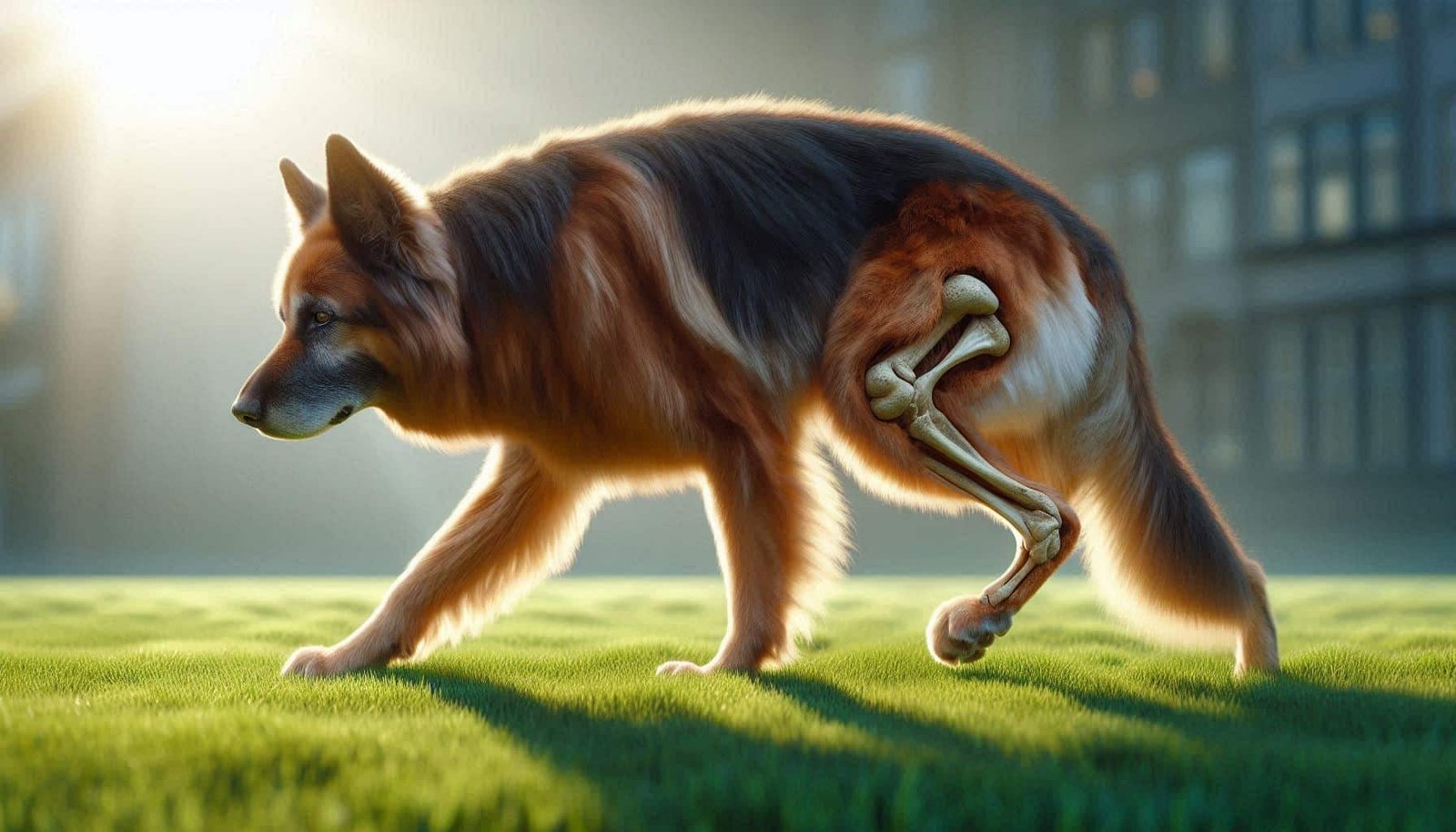
When a dog walks sideways due to pain, they’re trying to shift their weight away from whatever hurts. This is especially common in large breeds prone to hip dysplasia.
Common signs:
- Favoring one leg
- Difficulty getting up or lying down
- Shorter stride on one side
- Reluctance to jump or climb stairs
- “Bunny hopping” when running
Breeds at higher risk:
- German Shepherds
- Labrador Retrievers
- Golden Retrievers
- Great Danes
- Saint Bernards
What to do: Schedule a vet appointment for X-rays. Treatment might include pain management, joint supplements, weight management, or, in severe cases, surgery.
4. Ear Infections (Balance Disruption)
Ear infections, especially those affecting the inner ear, can mess with your dog’s balance system and cause them to walk sideways.
Signs of ear infections:
- Head shaking or scratching at the ears
- Foul odor from the ears
- Discharge (yellow, brown, or black)
- Redness or swelling in the ear canal
- Pain when the ears are touched
- Walking with a head tilt
What to do: Don’t try to treat ear infections at home. Your vet needs to examine the ear canal, identify the cause (bacteria, yeast, or mites), and prescribe appropriate medication.
5. Neurological Issues (When It's More Serious)
Sometimes, when dogs walk sideways, it indicates a neurological problem affecting their brain or spinal cord. While less common, these conditions require immediate attention.
Possible neurological causes:
- Stroke (sudden weakness on one side)
- Brain tumors (more common in older dogs)
- Intervertebral disc disease (IVDD)
- Degenerative myelopathy
- Spinal injury
Emergency warning signs:
- Sudden onset with no prior symptoms
- Confusion or disorientation
- Seizures
- Loss of coordination in multiple limbs
- Dragging legs or knuckling paws
- Inability to stand
What to do: Seek emergency veterinary care if you notice any of these symptoms. Time is critical for conditions like strokes or spinal injuries.
When Your Dog Walking Sideways Is Totally Normal
Not every case needs a vet visit! Here are some harmless reasons why dogs walk sideways:
Playful behavior: Excited puppies and high-energy breeds sometimes do a sideways bounce when they’re happy.
Poorly fitting harness: New clothes, harnesses, or collars can cause temporary awkward walking until they adjust.
Social signaling: Some dogs walk sideways to show submission, approaching other dogs bum-first.
After grooming: Shaved dogs might walk funny for a day or two, reacting to the new sensation of air on their skin.
How Vets Diagnose Why Dogs Walk Sideways
When you bring your sideways-walking pup to the vet, here’s what to expect:
Physical examination:
- Checking reflexes and responses
- Palpating joints and muscles
- Examining ears and eyes
- Testing balance and coordination
Diagnostic tests may include:
- Blood work (to check for infection or organ problems)
- X-rays (for hip dysplasia or arthritis)
- Ear examination (for infections)
- MRI or CT scan (if neurological issues suspected)
- Neurological examination (for brain or spinal problems)
Pro tip: Take a video of your dog walking sideways! They might not do it at the vet’s office, and video evidence is incredibly helpful for diagnosis.
Treatment Options When Dogs Walk Sideways
Treatment depends entirely on the cause:
For ear infections:
- Antibiotics or antifungal medication
- Ear cleaning and medication application
- Follow-up to ensure complete healing
For vestibular disease:
- Anti-nausea medication
- Anti-inflammatory drugs
- Supportive care (helping them eat, drink, walk)
- Most cases resolve in 2-4 weeks
For joint pain/hip dysplasia:
- Pain management medications
- Joint supplements (glucosamine, chondroitin)
- Weight management
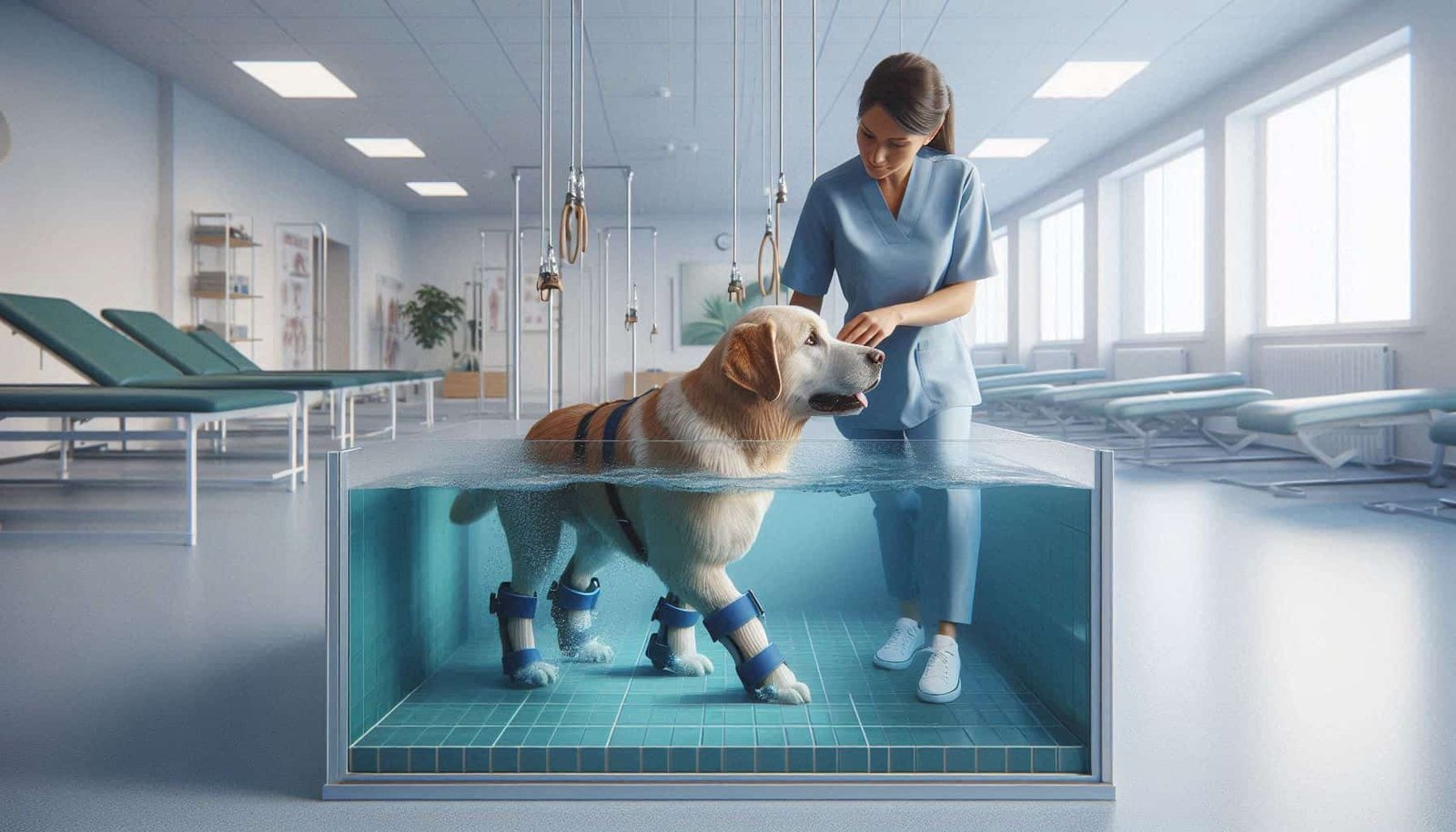
- Physical therapy
- Surgery in severe cases
For neurological issues:
- Depends on the specific diagnosis
- May include medications, surgery, or supportive care
- Mobility aids like wheelchairs for chronic conditions
Action Plan: What to Do Right Now
If your dog walks sideways suddenly:
- Check for obvious issues (harness, injury, ear discharge)
- Note any other symptoms (head tilt, vomiting, weakness)
- Take a video of the behavior
- Call your vet for guidance
- Monitor closely for worsening symptoms
If it’s been gradual or ongoing:
- Schedule a routine vet appointment
- Note when it happens (during play, after rest, constantly)
- Consider their age and breed risk factors
- Document any changes in behavior or activity level
Emergency vet visit if:
- Sudden onset with head tilt and vomiting
- Unable to stand or keep falling
- Signs of pain or distress
- Accompanied by seizures or confusion
- Rapid deterioration
The Bottom Line on Dogs Walking Sideways
Look, seeing your dog walk sideways can be anything from adorable to alarming, depending on the situation. The key is knowing the difference between a harmless quirk and a health problem that needs attention.
Remember:
- Puppies often outgrow it – Growing pains are real
- Sudden changes need vet attention – Don’t wait and see
- Senior dogs need extra vigilance – Age-related issues are common
- Take videos – They’re incredibly helpful for diagnosis
- Trust your gut – If something feels off, call your vet
Your dog can’t tell you what’s wrong, so you’re their advocate. When in doubt, a quick vet visit for peace of mind is always worth it.
About the Reviewer
Dr. Jennifer Thompson, DVM, is a board-certified veterinary neurologist with 18 years of experience diagnosing and treating balance disorders in dogs. She specializes in vestibular disease and has published research on canine gait abnormalities. Dr. Thompson currently practices at the Veterinary Neurology Center.
Sources & Further Reading
- Vetster – What to Do If Your Dog Is Walking Sideways
- Whole Dog Journal – Why Is My Dog Walking Sideways
- Walkin’ Pets – Dog Walking Sideways Guide
- Kinship – Why Does My Dog Walk Sideways
- Dogster – Vet-Reviewed Sideways Walking
- VCA Animal Hospitals – Vestibular Disease
- Cornell University – Canine Hip Dysplasia
- American Kennel Club – Dog Health