Medically Reviewed by Dr. Jerry Klein, DVM
Last Updated: january 2026
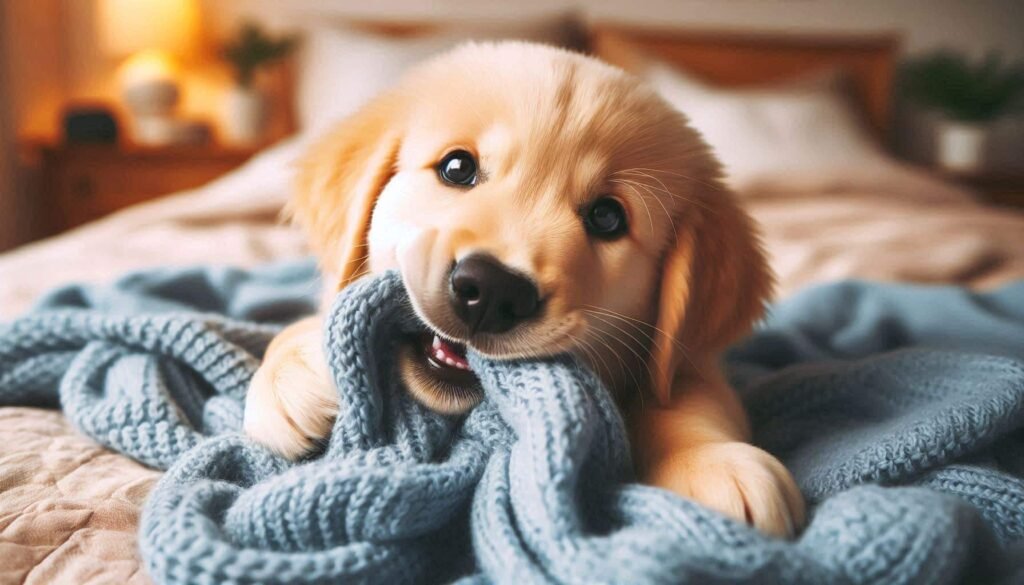
If you’ve ever wondered, “Why does my dog nibble on blankets?” you’re definitely not alone. This quirky behavior—sometimes called “cobbing” or “corn cobbing”—is surprisingly common among dogs. Whether your pup gently nibbles their favorite blanket before bed or constantly chews on your throw pillows, there’s usually a fascinating reason behind this dog nibbling behavior.
In this vet-reviewed guide, we’ll explore why my dog nibbles on blankets, when it’s normal, when it’s concerning, and what you can do about this endearing habit.
Is Dog Nibbling on Blankets Normal?
Here’s the thing—yes, why does my dog nibble on blankets? It’s typically normal behavior! According to Dr. Jerry Klein, Chief Veterinary Officer for the AKC, “Dogs that don’t suck on their flanks, but instead on blankets, pillows, stuffed animals, and other soft objects are doing it not to be destructive, but as a relaxation mechanism.”
The nibbling releases endorphins—those “feel-good” hormones—that help dogs relax and feel comfortable. For most dogs, this gentle blanket nibbling behavior is harmless and even beneficial for stress relief.
6 Common Reasons
Reason 1: Comfort-Seeking and Self-Soothing
This is the #1 answer to “why does my dog nibble on blankets?” Puppies are born with an instinct to suckle at their mother’s teats for comfort and security. According to animal behaviorists, some adult dogs that nibble on blankets didn’t have enough comfort suckling as puppies—often because they were weaned too early.
Much like a comfort object used by toddlers, your dog learns that nibbling a blanket makes them feel better. The soft texture and familiar scent (especially if it smells like you!) provide tremendous comfort. Similar to how cats have unique comfort behaviors, dogs develop their own soothing rituals.
Reason 2: Teething in Puppies

Just like human babies, puppies go through a teething phase where their gums become sore and itchy. During this period, they seek relief by chewing on various objects, including blankets. The texture provides a soothing sensation to their gums.
Depending on the breed, this teething phase and the strong urge to chew can last up to a year. Just like proper kitten training starts early, addressing puppy chewing habits early prevents problems later.
Reason 3: Anxiety and Stress Relief
When asking “Why does my dog nibble on blankets?” anxiety is a major factor. Nibbling on blankets can be a way for your dog to relieve their stress and anxiety.
Common stress triggers causing dog nibbling:
- Separation anxiety when left alone
- Changes in the household (new pet, baby, moving)
- Loud noises (thunderstorms, fireworks)
- Boredom from lack of mental stimulation
The nibbling provides comfort by releasing endorphins that help them feel better. The behavior becomes a coping mechanism for dealing with stressful situations.
Reason 4: Boredom and Lack of Stimulation
A dog’s favorite blanket is the best thing to nibble on when they’re bored. Dogs, especially those prone to anxiety or boredom, may resort to nibbling behavior as a way to entertain themselves.
Ensuring regular exercise and providing mental stimulation through interactive toys can help redirect their focus and minimize excessive blanket nibbling.
Reason 5: Breed-Specific Behavior
As with many canine behaviors, blanket nibbling is often seen more in certain breeds. Among those more prone to nibbling their bedding are Dobermans, Border Collies, Dachshunds, Spaniels, and some Terrier breeds.
Herding dogs like Border Collies have been bred to nip at livestock, which can translate to more mouthy behavior. Some hunting breeds, such as Labs, are also known to be particularly mouthy and may engage in dog nibbling more frequently.
Reason 6: Attention-Seeking Behavior
Sometimes, dogs learn that nibbling on blankets can garner attention from their owners. If they notice that this blanket chewing behavior elicits a response—even if it’s negative—they might continue doing it to receive attention.
In such cases, it’s important not to reinforce the behavior inadvertently. Similar to positive reinforcement training methods, consistency is key.
When Dog Nibbling on Blankets Becomes a Problem
While asking “why does my dog nibble on blankets” usually has benign answers, excessive nibbling may signal issues:
Consult your veterinarian if you notice:
- Fabric ingestion – If your dog swallows pieces of a blanket, this could cause gastrointestinal blockage
- Compulsive behavior – Persistent, unremitting nibbling you can’t distract them from
- Self-injury – Nibbling that causes skin damage or hair loss
- Signs of pain – Excessive nibbling paired with whining or appetite changes
According to veterinary behaviorists, if the dog’s nibbling behavior becomes excessive, persistent, or problematic, consult a veterinarian or certified animal behaviorist.
How to Manage Dog Nibbling on Blankets: 5 Solutions
Solution 1: Provide Appropriate Chew Toys
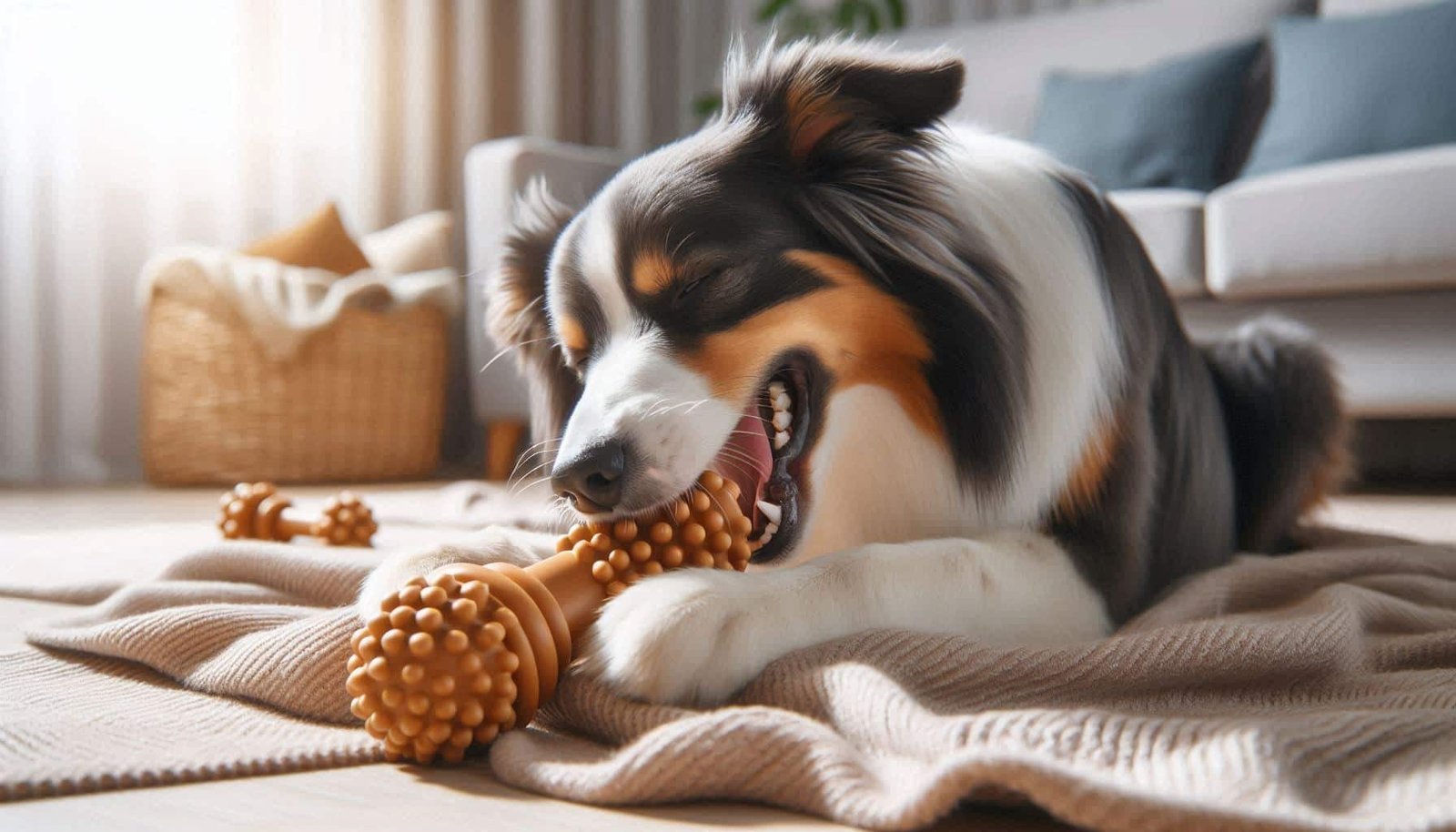
The most effective way to redirect dog nibbling behavior is to provide better alternatives. Give your dog plenty of appropriate chew toys—having something specifically for their nibbling may help deter them from nibbling on blankets.
For teething puppies: Special chew toys made for sore gums
For adult dogs: Rotating variety of textures (rubber, rope, nylon)
For aggressive chewers: Durable toys like Kongs or Nylabones
Solution 2: Use Deterrent Sprays
Spray your blankets with a chew deterrent. Sprays containing bitter apple and bitter cherry are available at most pet stores. Most dogs will stop immediately after tasting the bitter flavor! This teaches them that blankets aren’t pleasant to nibble on while their toys are much more rewarding.
Solution 3: Increase Exercise and Mental Stimulation
One important thing you can do to help alleviate nibbling is to make sure your pooch gets enough exercise. A tired dog is less likely to engage in destructive blanket chewing behavior.
Daily enrichment:
- 30-60 minutes of physical exercise
- Puzzle feeders and treat-dispensing toys
- Training sessions teaching new tricks
- Interactive games like hide-and-seek
Just like establishing good litter training habits, creating a structured routine helps reduce anxiety-driven behaviors.
Solution 4: Redirect the Behavior
When you catch your dog nibbling on blankets, gently redirect them to an appropriate chew toy and praise them when they take it. With positive reinforcement, your dog will learn to go toward the chew toy.
Training steps:
- Catch them mid-nibble
- Say “leave it” in a calm voice
- Offer an appropriate toy immediately
- Praise enthusiastically when they switch
Solution 5: Address Underlying Anxiety
If your dog’s nibbling stems from separation anxiety or stress, work on the root cause. Consult with your veterinarian about:
- Gradual desensitization to being alone
- Calming supplements or pheromone diffusers
- Anti-anxiety medications for severe cases
- Professional behavior modification therapy
Safety Concerns with Dog Nibbling on Blankets
While most dog nibbling behavior is harmless, keep these safety tips in mind:
Prevent fabric ingestion:
- Never leave dogs alone with blankets, they might shred
- Check for loose threads that could become lodged inthe throat
- Remove blankets immediately if the dog starts eating them
Monitor the nibbling:
- Gentle nibbling = usually fine
- Aggressive tearing = redirect immediately
- Swallowing fabric = emergency vet visit
The Bottom Line: Why Does My Dog Nibble on Blankets?

So, why does my dog nibble on blankets? In most cases, this dog nibbling behavior is completely normal and harmless. Dogs nibble blankets for comfort, to self-soothe anxiety, to relieve boredom, because they’re teething, or simply because they enjoy the sensation. It’s often a carryover from puppyhood when suckling provided security and comfort.
Key takeaways:
- Usually normal – Most blanket nibbling behavior is harmless comfort-seeking
- Multiple causes – From teething to anxiety to breed tendencies
- Easily redirected – Appropriate toys and training work well
- Monitor carefully – Watch for fabric ingestion or compulsive behavior
- Seek help if needed – Consult a vet for excessive or problematic nibbling
Remember, your dog isn’t trying to destroy your belongings—they’re simply following their instincts to comfort themselves. With understanding, appropriate alternatives, and positive reinforcement, you can manage this adorable quirk while keeping your blankets intact.
About the Reviewer
Dr. Jerry Klein, DVM, is the Chief Veterinary Officer for the American Kennel Club with over 40 years of experience in veterinary medicine, specializing in canine behavior and health.
References & Authoritative Sources
- Dogster – Why Do Dogs Nibble on Blankets?
- Whole Dog Journal – Why Do Dogs Suck on Blankets?
- PetHelpful – Reasons Dogs Nibble With Front Teeth
- American Kennel Club – Why Dogs Suck on Blankets
- Wag Walking – Why Does My Dog Chew On Blankets
Disclaimer: This article is for informational purposes only. Always consult with your veterinarian for specific concerns about your dog’s health or behavior.